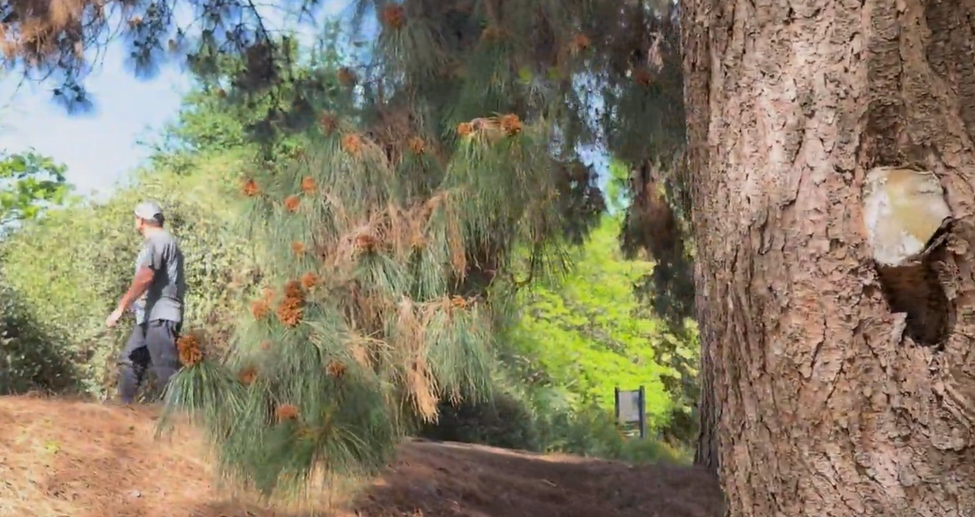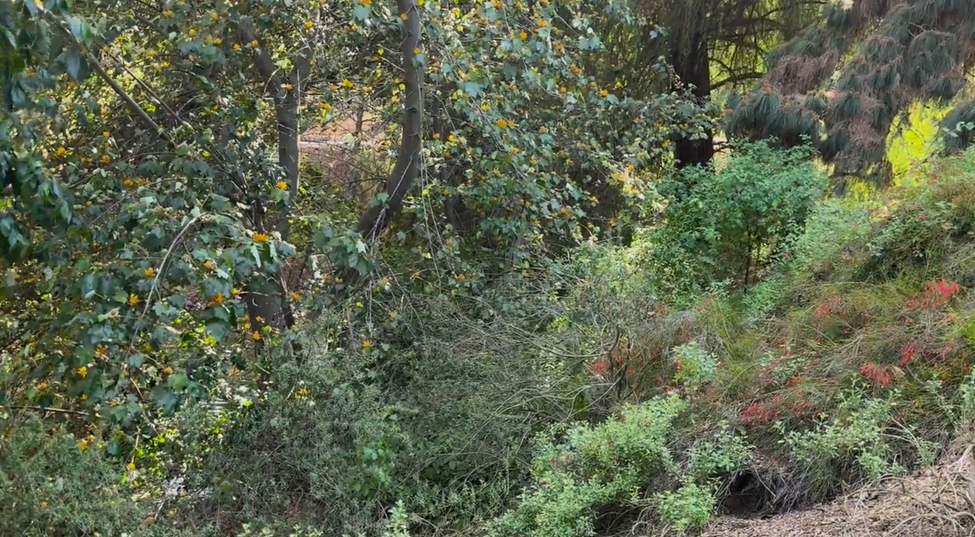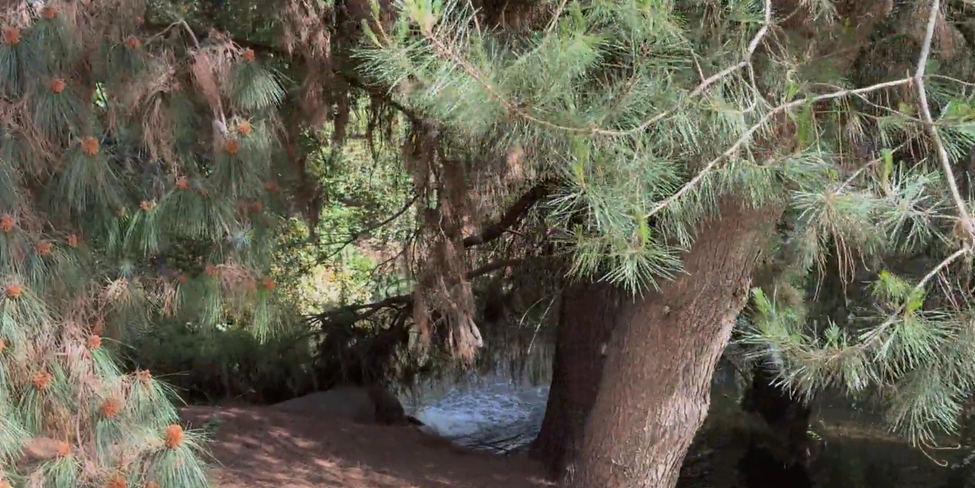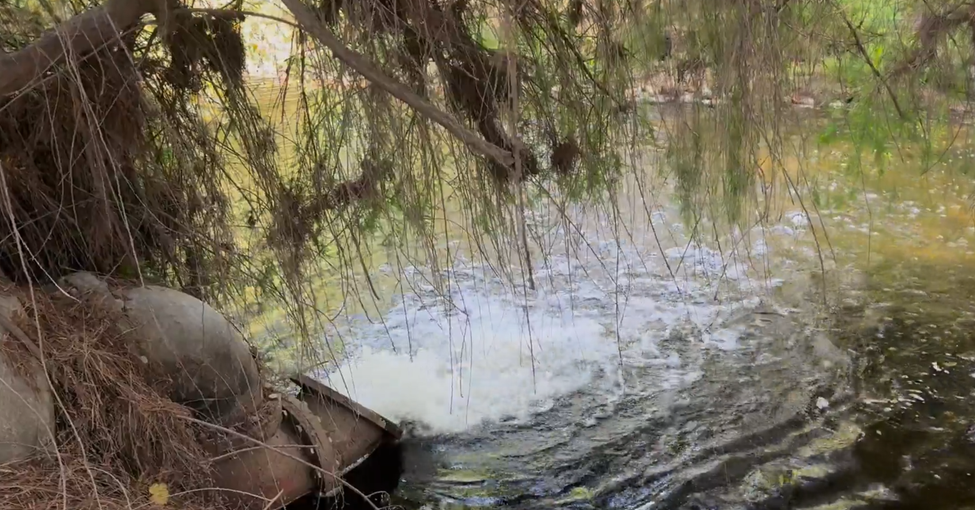
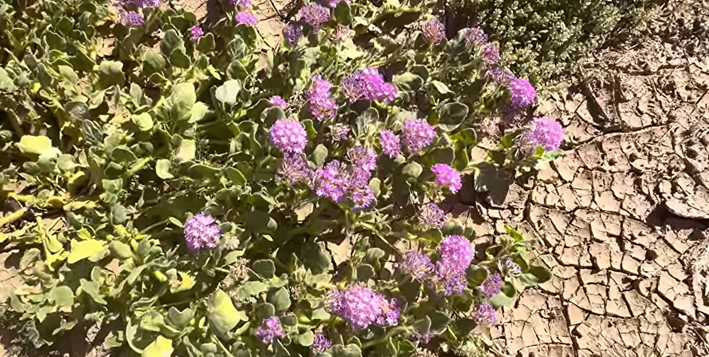
Green infrastructure does much more than manage stormwater. Trees, native plants, and landscaped streets contribute to healthier ecosystems while creating more comfortable, inviting places for people to live, work, and walk.
As cities continue to grow, these natural elements become essential pieces of urban infrastructure that support both environmental resilience and community well-being.
Join Jennifer as she explores a series of green street stormwater planters in Portland and explains how visible infrastructure helps manage runoff while encouraging a greater appreciation for water.
Native Plants Bring Cities to Life
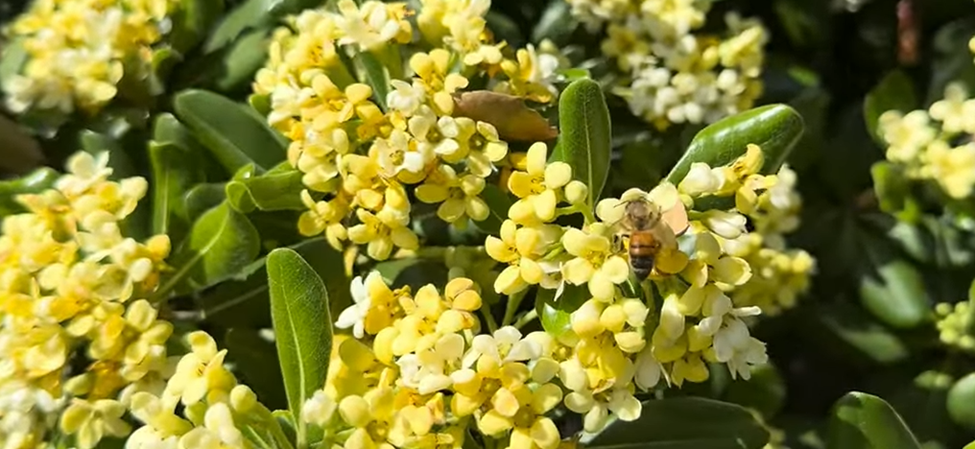
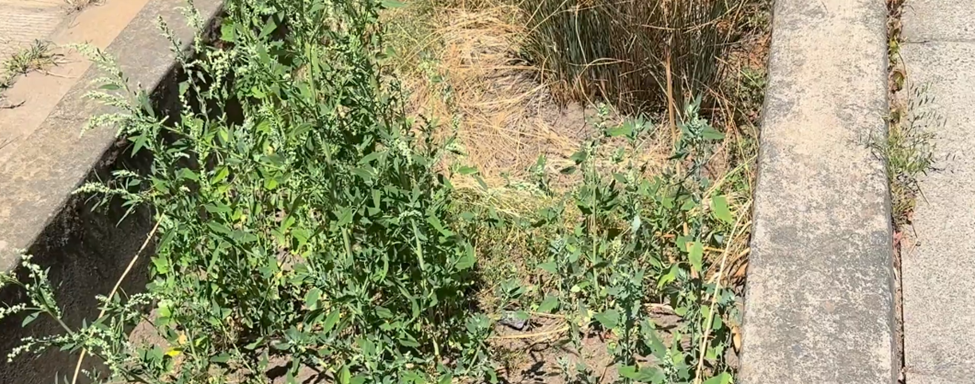
Native vegetation creates habitat for pollinators and other wildlife while adding seasonal beauty to urban landscapes.
Even a brief walk along a Green Street can reveal butterflies, flowering plants, and a surprising diversity of life. These landscapes demonstrate that infrastructure can support biodiversity while serving important engineering functions.
Trees Are Essential Urban Infrastructure
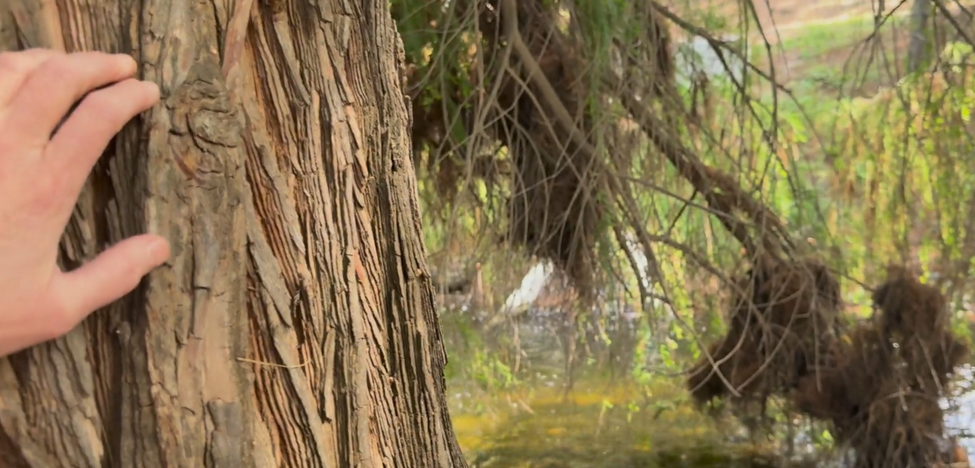
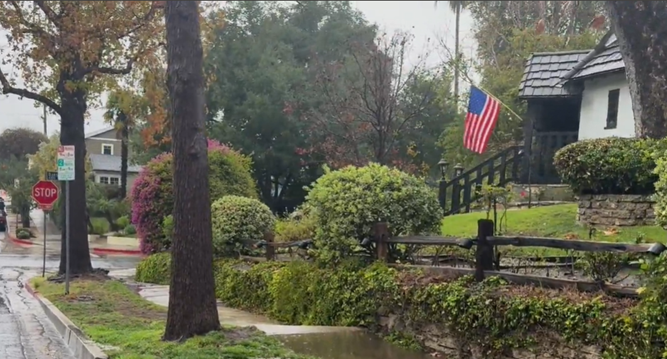
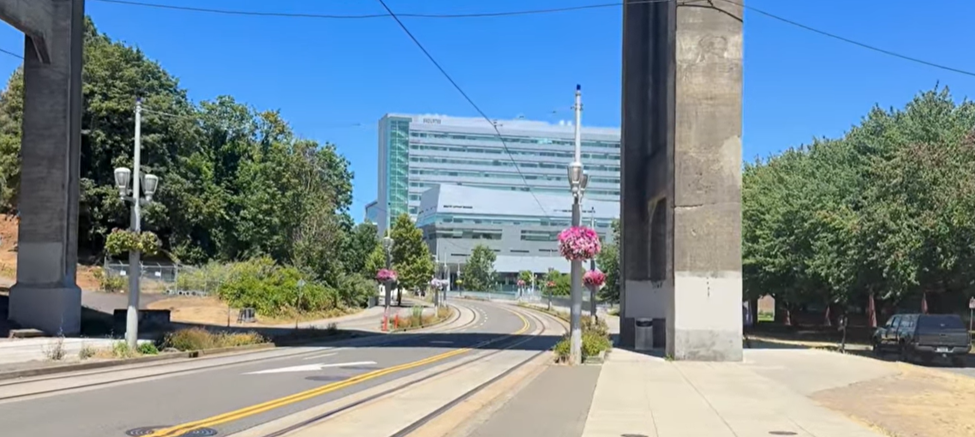
Street trees provide benefits that extend far beyond aesthetics. Their canopies intercept rainfall, improve air quality, provide habitat, reduce urban heat, and create welcome shade for pedestrians.
They also contribute to a calmer and more enjoyable walking experience, reminding us that natural systems are an essential part of healthy communities.
Designing Spaces for People
Green infrastructure improves the experience of moving through a city. Vegetation softens the built environment, reduces visual stress, and creates opportunities for people to connect with nature during their daily routines.
Research continues to show that access to green spaces supports mental well-being while making neighborhoods more attractive and livable.
Most of the infrastructure that protects our water resources is hidden beneath our feet. Underground pipes, storm drains, and utility networks quietly move water through our communities with little notice from the people who benefit from them every day.
Green Streets offer something different. By bringing stormwater management above ground, they transform essential infrastructure into visible, educational features that help people better understand how cities can work with nature to improve water quality.
Watch the Field Observation
Infrastructure You Can Actually See
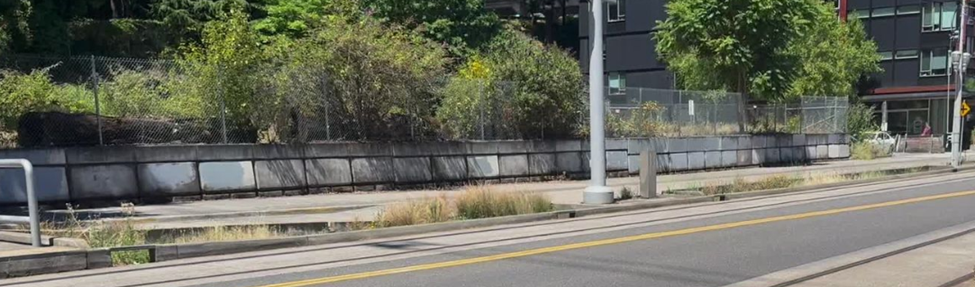
One of the most striking features of Portland’s Green Streets is that the stormwater infrastructure isn’t hidden underground. Instead, a series of landscaped planters runs alongside the street, allowing anyone walking by to observe how runoff is managed.
Making infrastructure visible encourages curiosity. Rather than seeing only pavement and curbs, pedestrians can recognize that these landscapes are actively collecting, slowing, and treating stormwater before it enters nearby waterways.
Small Design Features with Important Jobs
Looking more closely reveals several thoughtful engineering details.
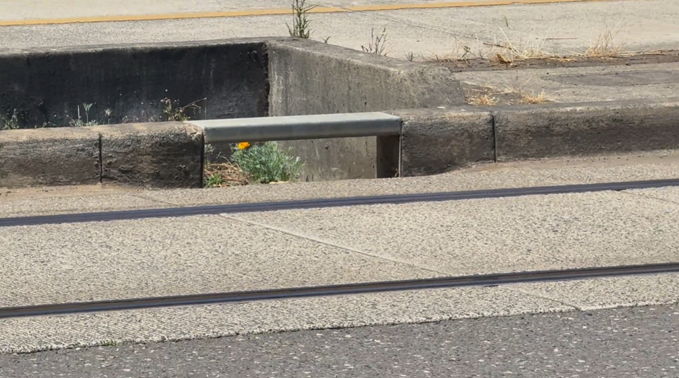
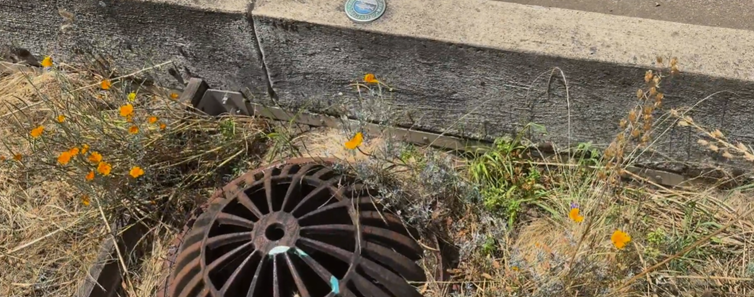
Beehive inlets are designed to reduce the likelihood of leaves and debris blocking drainage. Reinforced curb cuts guide runoff safely into each planter, while the generous depth of the planting beds provides temporary storage during storm events.
Although these features may appear simple, they represent careful planning that balances hydraulic performance, maintenance requirements, and long-term durability.
Slowing Water Protects Water Quality
Some of the planters include small rock check dams that slow the movement of stormwater as it travels through the system.
Reducing water velocity helps minimize erosion while allowing more time for infiltration and filtration. Instead of rushing downstream, stormwater moves more gradually through the landscape, giving soils and vegetation an opportunity to remove pollutants before the water reaches nearby waterways.
These are small design elements, but they play an important role in improving the overall performance of the system.
Sometimes the most interesting parts of a landscape are the details that make us stop and ask, Why was this designed this way?
Walking through an urban area on a warm day, one feature stood out: a shaded planter with an olive tree surrounded by bird-deterrent spikes. These devices are commonly used to discourage birds or other wildlife from gathering in certain locations, but in this case, the purpose wasn’t immediately obvious.
Perhaps the spikes were intended to discourage birds. Perhaps they were installed to protect landscaping. Or perhaps the design was meant to discourage people from sitting on the planter in a heavily used public space.
Without knowing the original design intent, it would be impossible to say with certainty.
That uncertainty highlights an important aspect of infrastructure and environmental planning. Every design decision is typically made to balance multiple objectives. Safety, maintenance, accessibility, durability, environmental performance, and public use often influence even the smallest details within a project.
A planter is more than a place for a tree. It becomes part of how people move through a space, where visitors choose to stop, how landscapes are maintained, and how wildlife interacts with the built environment.
Scientific and engineering decisions often involve these kinds of tradeoffs. Solutions that appear simple on the surface may reflect careful consideration of long-term maintenance, human behavior, environmental conditions, or operational requirements.
The observation also served as a reminder of something else. On a hot afternoon, the shade beneath the tree was inviting. Whether intentionally or not, the planter had become a place where someone naturally wanted to pause.
Sometimes the most valuable observations begin not with an answer, but with a question. Looking a little closer at the built environment encourages a deeper appreciation for the thought, and the tradeoffs, that often shape the places we use every day.
Want to dive deeper into this topic? Watch our full video breakdown here: Link here
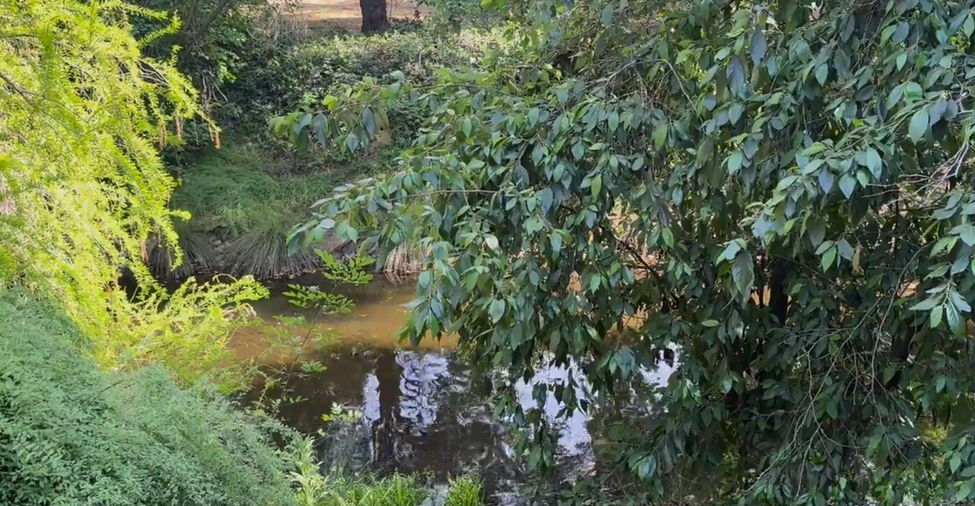
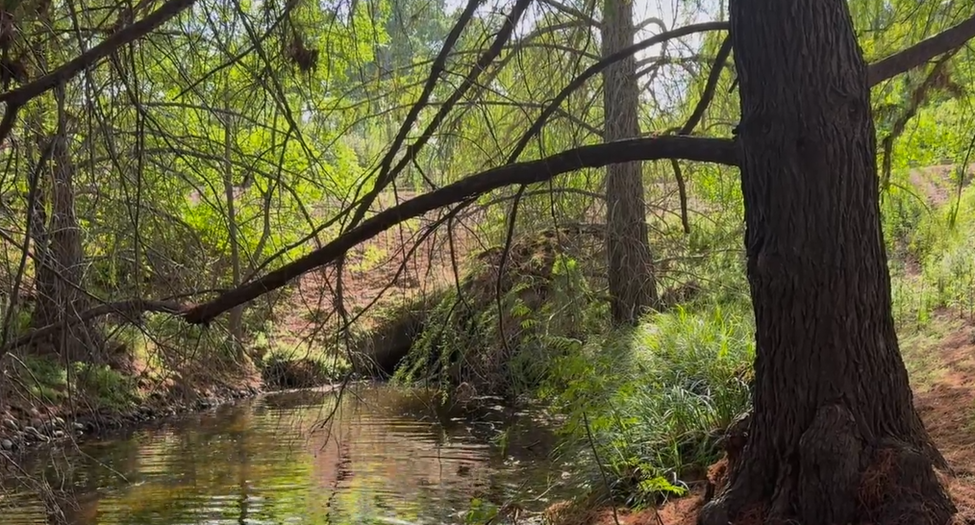
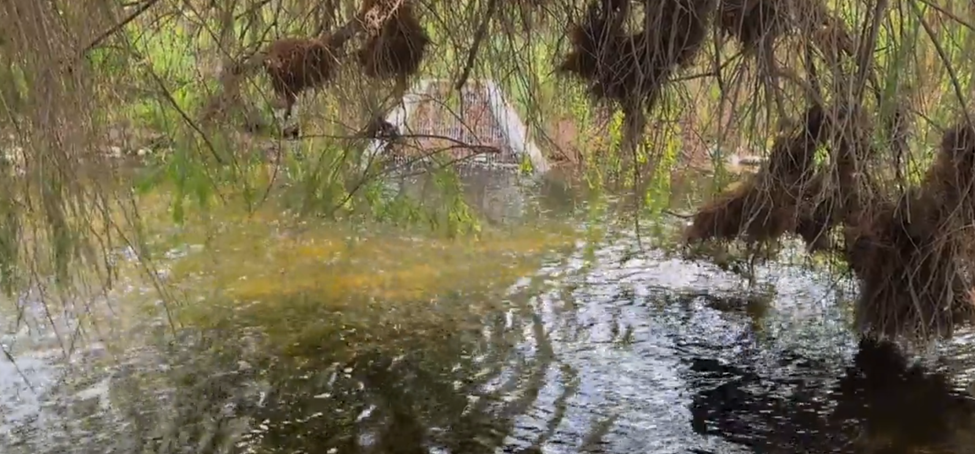
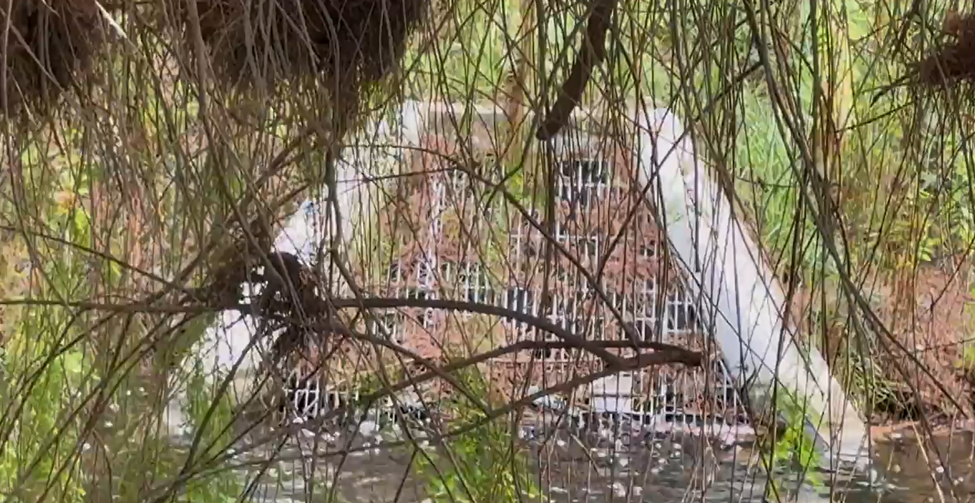
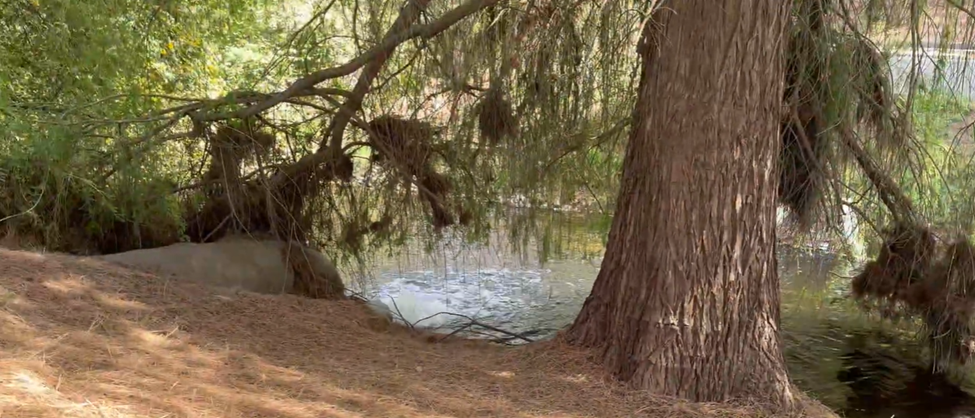
Habitat islands are an increasingly common feature in urban lakes, stormwater facilities, and restored waterways. Designed to support wildlife and improve ecological function, these landscapes demonstrate how thoughtful planning can create environmental and community benefits at the same time.
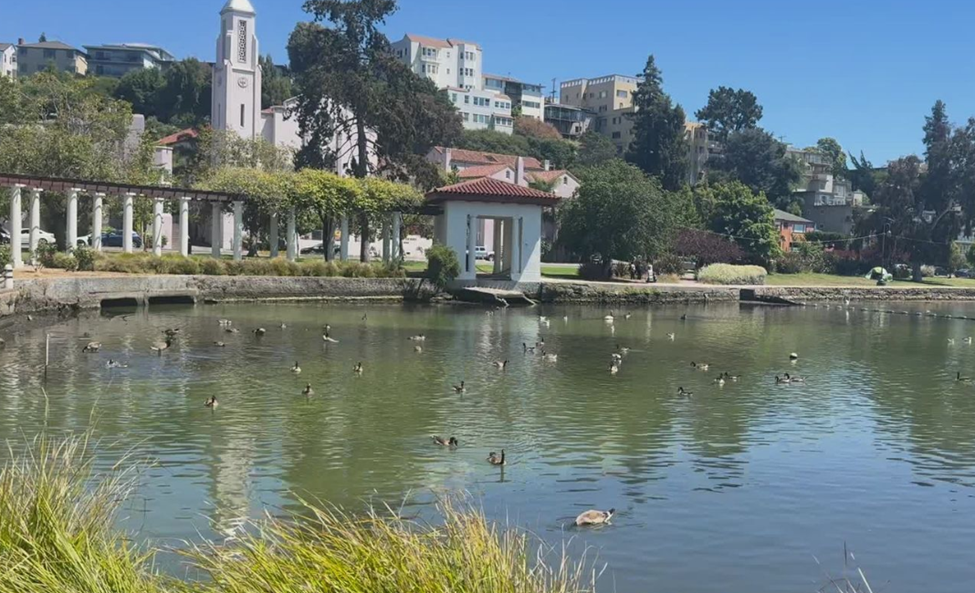
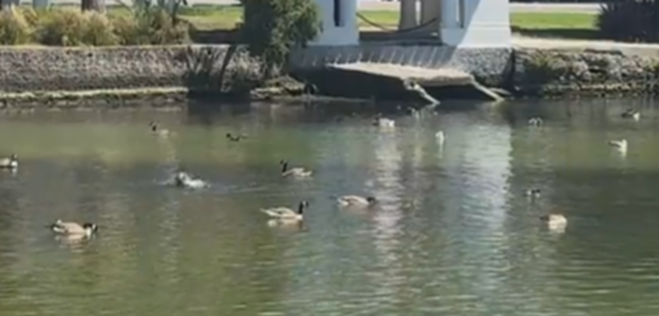
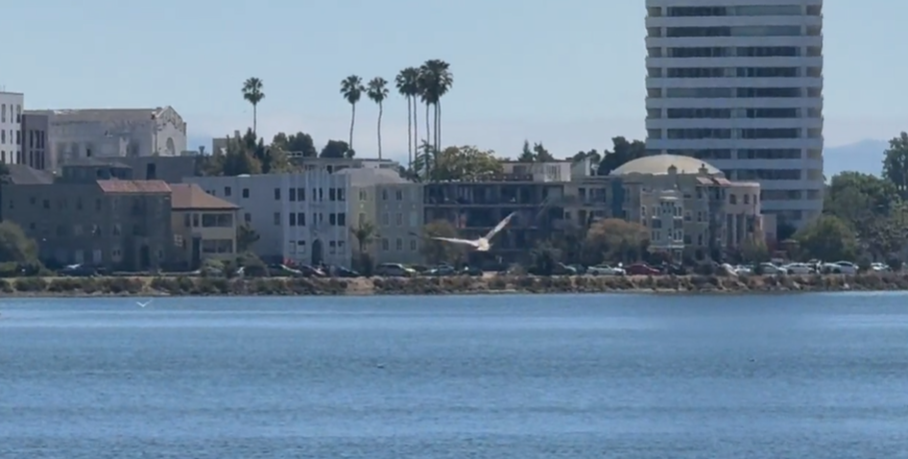
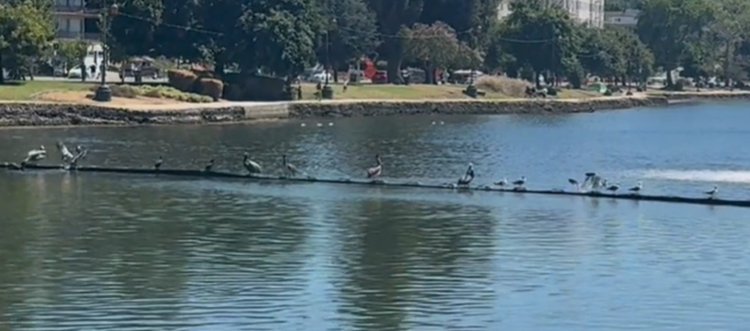
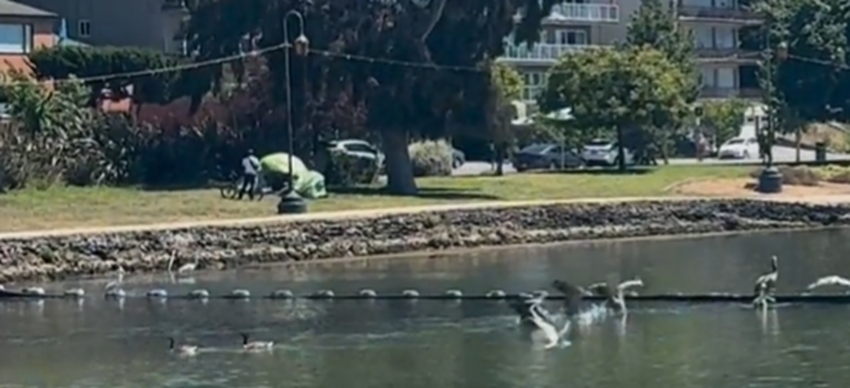
Looking across the water, the habitat islands are clearly attracting wildlife. Large groups of Canada geese have gathered on the islands, in the water, and throughout the surrounding park. For many visitors, the birds are part of the experience. Children stop to watch them, dogs become curious, and people enjoy seeing wildlife thriving within an urban setting.
The same observations, however, reveal an important scientific consideration.
As wildlife populations grow, so do their interactions with the surrounding environment. Large concentrations of waterfowl can contribute additional nutrients to lakes and ponds, influence vegetation, and affect how public spaces are maintained and enjoyed. These ecological responses are not unexpected, they are part of the dynamic relationship between habitat, water, and wildlife.
Understanding those relationships is an important part of environmental planning.
Designing successful water resources projects requires more than constructing ponds, wetlands, or habitat features. Long-term performance depends on understanding how ecological systems will respond over time. Wildlife behavior, water quality, vegetation, hydrology, and maintenance all become interconnected parts of the same system.
This is where scientific expertise adds lasting value. Environmental science, hydrology, and hydraulic analysis help identify how natural processes may influence a site’s long-term function before challenges become more difficult to address. Considering these interactions during planning supports more resilient infrastructure, healthier ecosystems, and more sustainable management strategies.
Observations made in the field often provide the first clues. A flock of geese gathering around newly created habitat is more than an interesting sight, it is a reminder that every environmental project continues to evolve long after construction is complete.
Successful projects are not measured only by what is built. They are measured by how well the natural and engineered systems continue to function together over time.
Summer rarely follows a single script. One community may be preparing for higher water demand during extended heat, while another is managing intense rainfall and localized flooding. For the professionals responsible for planning, operating, and maintaining water infrastructure, these changing conditions reinforce an important reality: resilience is built through adaptability.
This week’s stories illustrate how water systems continue to respond to shifting environmental conditions. From California’s transition into summer operations for the State Water Project to flood preparedness efforts across Texas, each story highlights the importance of planning for variability rather than expecting consistency. Together, they remind us that effective water management is not simply about responding to today’s weather it’s about preparing systems that can perform under whatever conditions tomorrow may bring.
State Water Project Shifts Into Summer Operations to Support California’s Water Supply and Environment
Author: California Department of Water Resources
Published: July 2, 2026
As California enters the peak of the summer season, the State Water Project has transitioned into its annual summer operating schedule, balancing water deliveries for millions of residents while protecting sensitive fish species throughout the Sacramento, San Joaquin Delta. Operational changes reflect seasonal environmental conditions and evolving regulatory requirements, demonstrating that water management extends far beyond moving water from one location to another. It requires continuous coordination between environmental stewardship, infrastructure operations, and reliable water delivery. The annual transition serves as a reminder that resilient infrastructure depends not only on physical assets but also on adaptive management informed by science and long-term planning. Source: California Department of Water Resources — State Water Project Shifts Into Summer Operations to Support California’s Water Supply and Environment
Houston Faces Elevated Flood Risk as Summer Storms Replace Typical July Heat
Author: Houston Chronicle Staff
Published: July 13, 2026
Instead of the prolonged heat often associated with mid-July, much of Southeast Texas is experiencing repeated rounds of heavy rainfall that have increased the potential for localized flooding. Slow-moving storms are placing additional pressure on drainage systems, stormwater infrastructure, and emergency response operations throughout the region. While rainfall provides temporary relief from extreme temperatures, it also illustrates the importance of maintaining infrastructure capable of managing rapidly changing weather conditions. Communities benefit most when drainage systems, flood control facilities, and emergency planning work together to reduce risk during periods of intense precipitation.
Texas Activates Emergency Resources as Flood Threat Increases Across the State
Author: Houston Chronicle Staff
Published: July 13, 2026
As multiple rounds of heavy rain move across portions of Texas, state agencies have activated emergency resources to support communities facing elevated flood risks. Preparations include coordination among emergency management teams, transportation agencies, and public safety organizations to respond to potential flooding and protect critical infrastructure. While emergency response often receives the most public attention, these events also highlight the importance of long-term investments in flood mitigation, drainage improvements, and resilient infrastructure that help communities prepare before severe weather arrives. The ability to respond effectively begins long before the first storm develops.
Although these stories unfold under very different conditions, they point toward a common lesson: successful water management depends on flexibility. California’s water operators are adjusting system operations to meet seasonal environmental needs, while Texas communities are preparing infrastructure for periods of intense rainfall and localized flooding. Neither situation represents an isolated challenge. Instead, they illustrate how modern water systems must continually adapt to changing weather patterns, environmental regulations, and community needs.
At Watearth, we often find that the most valuable insights come from observing these connections. Whether responding to heat, managing stormwater, or balancing environmental priorities, resilient infrastructure is built through thoughtful planning, coordinated operations, and an understanding that water systems function as part of a much larger environmental network.
Not all infrastructure looks like concrete channels, pipes, or utility corridors.
Sometimes, infrastructure becomes a place where people gather, wildlife thrives, and the surrounding environment benefits at the same time.
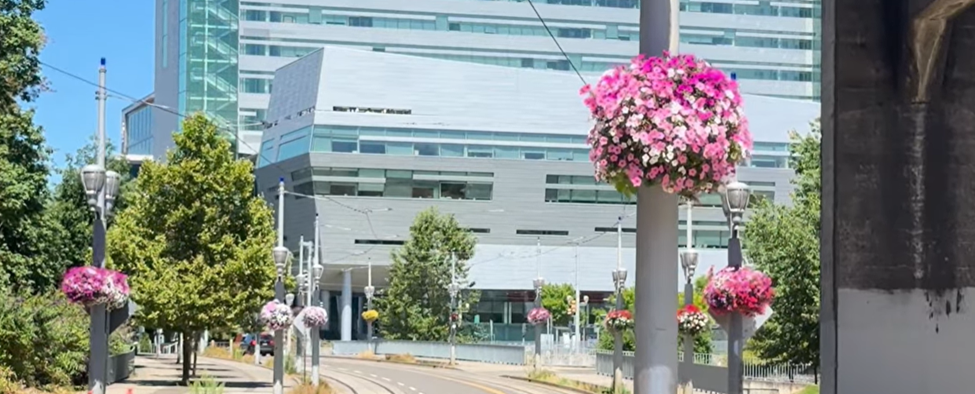
Walking through Tanner Springs Park in Portland’s Pearl District, it’s easy to notice the peaceful atmosphere before realizing the park is also performing an important environmental function. Built on a former industrial site, the park was designed to help manage stormwater while creating a welcoming public space.
Throughout the park, native vegetation helps filter stormwater as it moves through the landscape. Some pathways are constructed with permeable surfaces that allow rainwater to soak into the ground rather than immediately running off into storm drains. Water circulates through ponds, where natural processes and carefully selected plant communities help improve water quality.
These features are working quietly in the background, but they are only part of what makes the park successful.
Every visit revealed people enjoying the space. Some were walking, others were sitting quietly, and families stopped to watch the ducks moving through the water. Interpretive signs explained how the park functions while encouraging visitors to help protect the surrounding habitat. The result is a landscape that not only manages stormwater but also encourages people to better understand the systems around them.
Projects like this demonstrate that infrastructure can serve more than one purpose. A stormwater facility can improve water quality while creating habitat for wildlife. Trees and vegetation provide shade, support biodiversity, and help manage rainfall. Public spaces designed with natural systems in mind can offer moments of restoration within busy urban environments.
Perhaps the most valuable aspect of places like Tanner Springs Park is that the engineering doesn’t demand attention. Visitors are free to enjoy the landscape first, discovering over time that many of the features contributing to the park’s beauty are also supporting healthier water systems.
That quiet integration of infrastructure, ecology, and community is a reminder that thoughtful design can create places that are both functional and inviting. Sometimes, the best infrastructure is the kind that simply feels like part of the landscape.
As summer progresses, the conversations surrounding water and infrastructure become increasingly interconnected. Rising temperatures, changing environmental conditions, and emerging ecological challenges all remind us that our water systems are constantly adapting to new pressures.
This week’s stories highlight three very different developments—from California’s changing weather pattern to the spread of an invasive aquatic species and the growing demands placed on infrastructure during extreme heat. While each story stands on its own, together they reinforce an important lesson: resilient communities depend on understanding how natural systems and built infrastructure influence one another.
A Powerful Heat Ridge Is Building Over the West. Here’s When California Feels It
Author: Gerry Díaz
Published: July 6, 2026
California’s relatively mild start to summer may soon give way to significantly hotter conditions as a high-pressure ridge develops across the western United States. While the forecast naturally draws attention to public health and wildfire concerns, it also highlights the broader relationship between heat and water infrastructure. Higher temperatures increase landscape irrigation demand, accelerate evaporation from reservoirs and stormwater facilities, and place additional stress on parks, public spaces, and municipal assets. Heat is more than a weather event—it influences how communities manage water resources, maintain infrastructure, and prepare for the challenges of a long summer.
“No Point of Return”: California’s Growing Challenge with Golden Mussels
Author: Julie Johnson
Published: July 3, 2026
The continued spread of invasive golden mussels across California waterways is becoming more than an ecological concern, it is increasingly an infrastructure issue. These small organisms can clog intake pipes, reduce operational efficiency, and increase maintenance costs for water facilities and reservoirs. The discussion surrounding inspections and prevention serves as an important reminder that protecting water infrastructure often begins long before visible problems appear. Proactive monitoring, coordinated management, and early intervention remain some of the most effective tools for preserving the reliability of critical water systems.
Heat Dome Raises Water and Infrastructure Challenges Across the United States
Author: Casey Miller
Published: July 2, 2026
A large heat dome is bringing dangerous temperatures to much of the United States, increasing demand for both water and energy while placing additional pressure on public infrastructure. As communities respond to higher cooling needs, utilities and municipal agencies must also manage increased water consumption, protect critical assets, and maintain reliable services during periods of sustained heat. Events like these demonstrate how weather can quickly influence multiple interconnected systems, reinforcing the importance of long-term planning and resilient infrastructure that can perform under increasingly demanding conditions.
Large flocks of Canadian geese are a familiar sight around lakes, ponds, and stormwater facilities. Watching hundreds of birds gather along the water can be impressive, but the scene also highlights how closely wildlife and water management are connected.
Stormwater ponds, detention basins, lakes, and wetlands often become attractive habitat for waterfowl. These water bodies provide open water, nearby vegetation, and areas where birds can gather safely. As communities grow, many engineered water features begin serving ecological functions alongside their original purpose.
That relationship brings both opportunities and challenges.
Large numbers of geese contribute nutrients to the water through their waste. When nutrient levels become elevated, water quality can decline, increasing the potential for algal blooms, reduced oxygen levels, and other ecological changes. In response, some lakes and ponds incorporate features such as aeration systems to help improve water quality and support healthier aquatic conditions.
Wildlife also influences how these systems are maintained. Water quality is only one consideration. Birds, mammals, and other animals can affect shoreline stability, vegetation, and erosion over time. Effective maintenance plans often recognize that natural processes continue long after construction is complete.
At the same time, many communities have expanded into areas that were once entirely natural landscapes. Parks, lakes, and stormwater facilities have become places where people and wildlife share space. Observing wildlife in these environments offers an opportunity to better understand how engineered infrastructure and ecological systems interact.
A large flock of geese may simply look like an interesting gathering of birds. Looking a little closer reveals something more—a reminder that managing water is not only about pipes, ponds, and infrastructure. It is also about understanding the living systems that become part of those environments.
Most drinking fountains are designed with people in mind. Occasionally, however, infrastructure attracts unexpected users. While passing a public drinking fountain recently, a small bird had settled into the basin, using the remaining water much like a bird bath. The scene was simple: a bit of water, a quiet moment, and a reminder that infrastructure often interacts with the surrounding environment in ways that designers never fully anticipate. The bird appeared comfortable, resting quietly in the shallow water collected in the fountain. There was a moment of hesitation about approaching too closely. Adding more water might have been helpful, but it also might have disturbed the bird. Sometimes observation is enough. What makes moments like this interesting is that they reveal how infrastructure exists within larger systems. A drinking fountain is designed to provide water for people, but the fountain also becomes part of the surrounding environment. Birds, insects, trees, and other wildlife regularly interact with the same infrastructure that communities build for human use.
Most public infrastructure serves a specific purpose. Drinking fountains provide water. Storm drains move runoff. Sidewalks support pedestrian travel. Street trees provide shade. Yet once infrastructure is placed into a real environment, the boundaries between human systems and natural systems become less distinct.
A small amount of water in a fountain basin can become a resting place for a bird. A stormwater facility can create habitat. A tree planted for shade can support wildlife while also improving neighborhood comfort. These interactions are often minor, but they are reminders that infrastructure rarely operates in isolation.
Observations like this are easy to overlook because they do not appear in design manuals, construction drawings, or maintenance plans. Yet they are part of the everyday relationship between built environments and natural systems.
Not every observation needs to lead to a recommendation or a conclusion. Sometimes there is value in simply noticing what is happening.
In this case, a drinking fountain became something more than a drinking fountain for a few moments. A piece of public infrastructure provided a small refuge, and a quiet interaction revealed how closely connected human-built systems and the natural world can be.
On a hot day, a sprinkler spraying across a sidewalk can feel less like a maintenance issue and more like an invitation.
Walking through the water might actually be refreshing.
At the same time, the scene highlights something that shows up frequently in water systems: water being applied where water was never intended to go.
A quick observation suggested that a sprinkler head was either damaged or missing. Instead of watering the landscape, the irrigation system was directing water onto the pavement. The water felt good, but the irrigation system was clearly communicating that something needed attention.
What makes this interesting is how often these types of issues represent what many people call “low-hanging fruit.”
Over Memorial Day weekend, a cherry-picking trip provided a useful reminder of what that phrase actually means. Most of the cherries within easy reach had already been picked. Finding additional fruit required climbing a ladder and reaching into the upper branches. The easiest opportunities were the ones closest to the ground.
Water management often works the same way.
When discussions focus on conservation, efficiency, or reducing water loss, attention sometimes moves quickly toward larger projects and more complex solutions. Yet some of the most immediate opportunities can be found through simple observation.
A missing irrigation head.
A broken nozzle.
A sprinkler spraying across pavement instead of landscaping.
These issues are often easy to identify, relatively straightforward to correct, and capable of preventing unnecessary water loss.
Not every observation requires a major conclusion. Sometimes the value comes from simply noticing a pattern and understanding what that pattern reveals about how a system is functioning.
In this case, the lesson was visible from a sidewalk on a warm afternoon.