
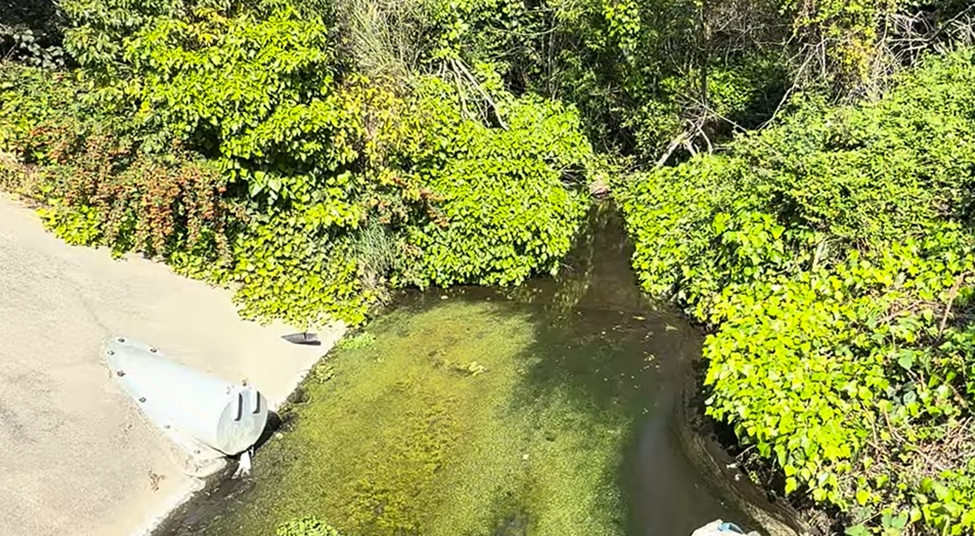
Stormwater systems rely on many small components that most people never notice. While large bridges, culverts, and channels are easy to recognize, smaller devices quietly perform critical functions that help protect communities from flooding and keep drainage systems operating as intended.
One of those devices is the flap gate. Simple in design but essential in function, flap gates help control the direction of water flow and prevent downstream water from backing up into upstream drainage systems.
Watch the Field Observation
Join Jennifer as we observe a flap gate along an urban creek and explains how this often-overlooked piece of infrastructure helps manage water movement and protect stormwater systems.
A Simple Solution to a Common Problem
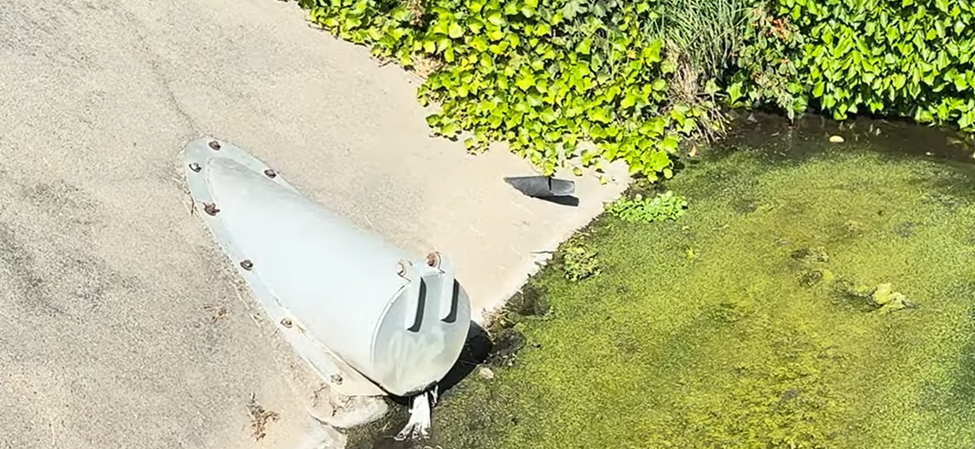
Flap gates are designed to allow water to flow in one direction while preventing it from flowing back the other way. Their operation is remarkably simple. When the water level inside the pipe rises above the receiving water body, the gate opens and allows water to discharge freely.
When the downstream water level becomes higher, the gate closes under the pressure difference, preventing water from flowing backward into the stormwater system. This simple mechanism helps reduce the risk of backflow during high-water conditions.
Small Infrastructure, Big Responsibility
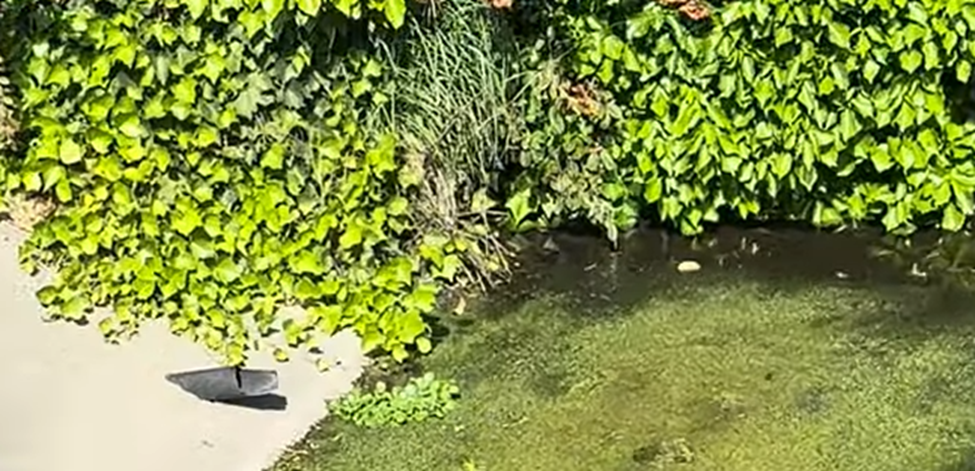
Although flap gates are relatively small, they play an important role in protecting drainage infrastructure.
Without a functioning backflow prevention device, rising water levels in a creek, river, or tidal water body can push water upstream into stormwater pipes. This can reduce the effectiveness of the drainage system and, in some locations, contribute to localized flooding.
Like many components of public infrastructure, flap gates often go unnoticed until they stop working properly.
Maintenance Matters
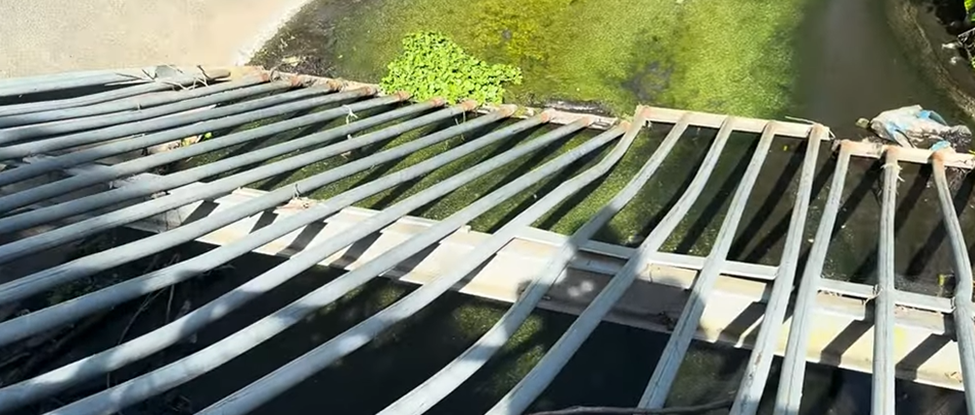
Traditional metal flap gates can deteriorate over time as they are exposed to water, debris, and changing environmental conditions. Corrosion may affect their ability to open and close freely, making routine inspection and maintenance important for long-term performance.
Newer flap gate designs, including flexible rubber models used in some applications, can provide improved durability and reliability depending on site conditions. Regardless of the material, regular maintenance helps ensure these systems continue functioning as intended.
Looking Beyond the Infrastructure

As the walk continued, the focus shifted from the infrastructure itself to the surrounding environment. Bees moved through the vegetation, the creek flowed quietly beneath a clear sky, and the engineered structures blended almost seamlessly into the landscape.
It’s a reminder that successful infrastructure often works quietly in the background, allowing natural systems and public spaces to thrive without drawing attention to the engineering that supports them.