Why Green Infrastructure Makes Cities Better Places to Live

Green infrastructure does much more than manage stormwater. Trees, native plants, and landscaped streets contribute to healthier ecosystems while creating more comfortable, inviting places for people to live, work, and walk.

As cities continue to grow, these natural elements become essential pieces of urban infrastructure that support both environmental resilience and community well-being.

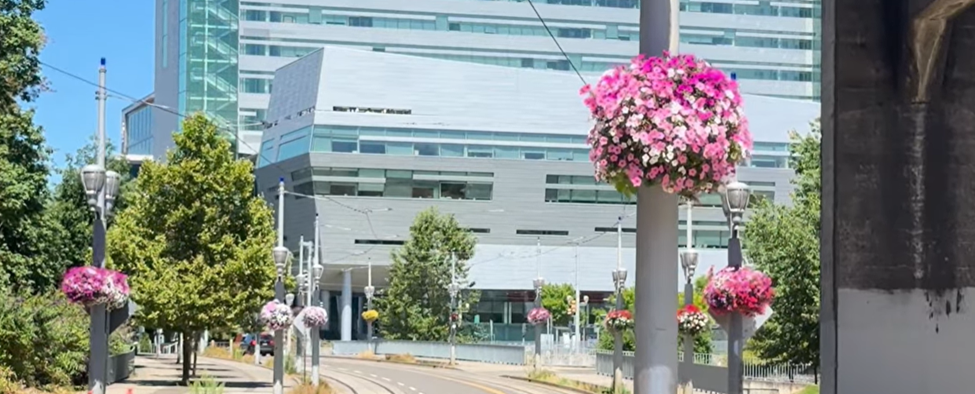
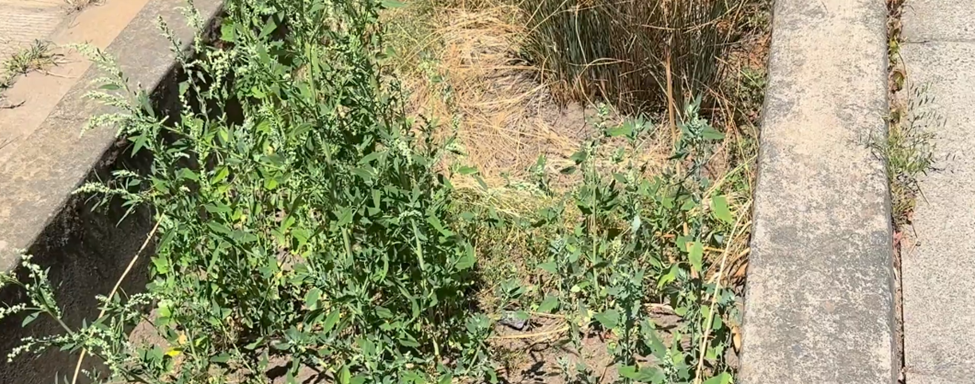
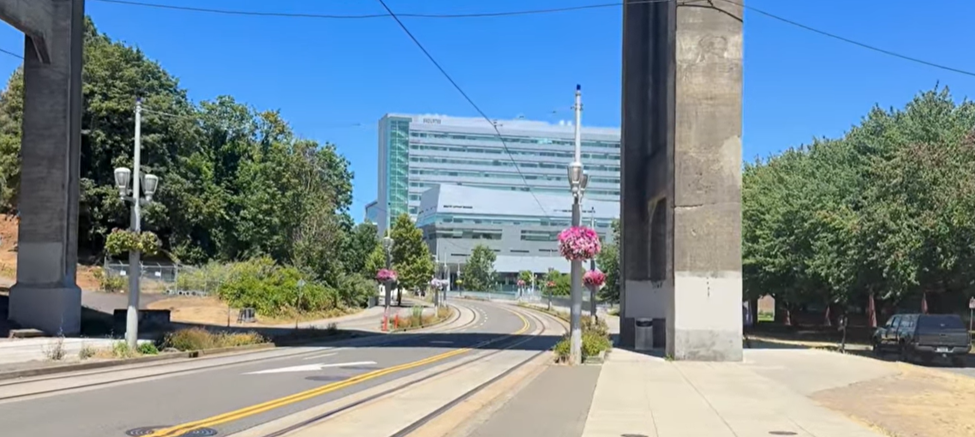
Join Jennifer as she explores a series of green street stormwater planters in Portland and explains how visible infrastructure helps manage runoff while encouraging a greater appreciation for water.

Native Plants Bring Cities to Life

Native vegetation creates habitat for pollinators and other wildlife while adding seasonal beauty to urban landscapes.

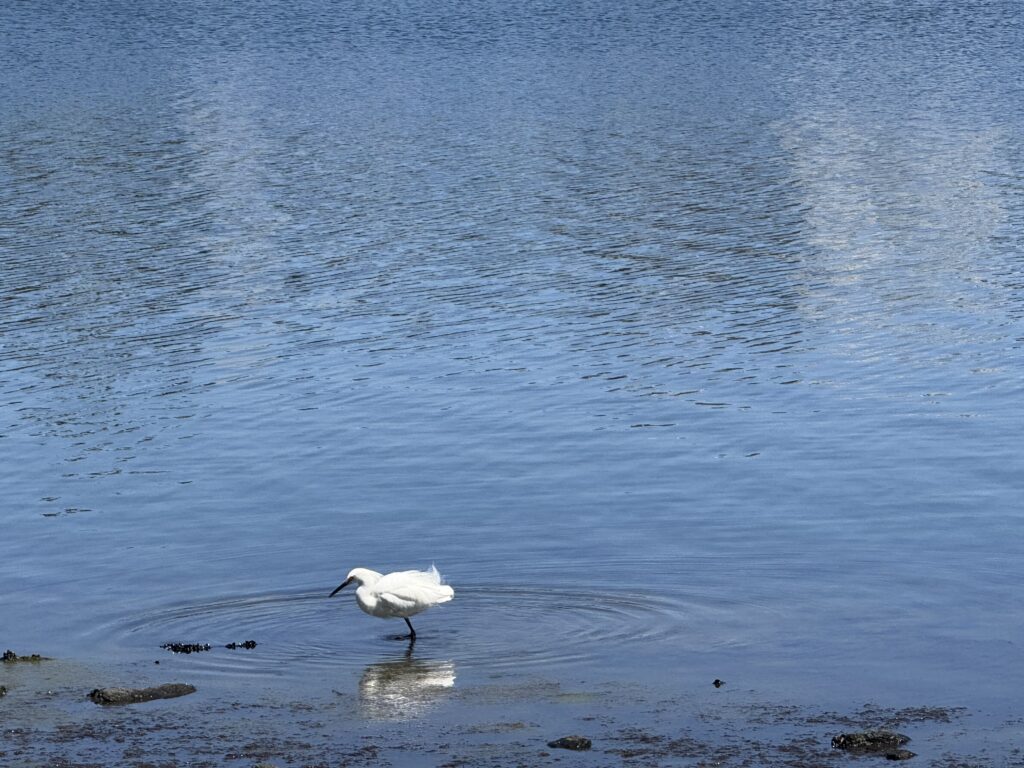
Even a brief walk along a Green Street can reveal butterflies, flowering plants, and a surprising diversity of life. These landscapes demonstrate that infrastructure can support biodiversity while serving important engineering functions.

Trees Are Essential Urban Infrastructure

Street trees provide benefits that extend far beyond aesthetics. Their canopies intercept rainfall, improve air quality, provide habitat, reduce urban heat, and create welcome shade for pedestrians.

They also contribute to a calmer and more enjoyable walking experience, reminding us that natural systems are an essential part of healthy communities.

Designing Spaces for People

Green infrastructure improves the experience of moving through a city. Vegetation softens the built environment, reduces visual stress, and creates opportunities for people to connect with nature during their daily routines.

Research continues to show that access to green spaces supports mental well-being while making neighborhoods more attractive and livable.

Learn more about Watearth at our homepage.

This Week in Water & Infrastructure: Adapting to Summer’s Changing Conditions

Summer rarely follows a single script. One community may be preparing for higher water demand during extended heat, while another is managing intense rainfall and localized flooding. For the professionals responsible for planning, operating, and maintaining water infrastructure, these changing conditions reinforce an important reality: resilience is built through adaptability.

This week’s stories illustrate how water systems continue to respond to shifting environmental conditions. From California’s transition into summer operations for the State Water Project to flood preparedness efforts across Texas, each story highlights the importance of planning for variability rather than expecting consistency. Together, they remind us that effective water management is not simply about responding to today’s weather it’s about preparing systems that can perform under whatever conditions tomorrow may bring.

State Water Project Shifts Into Summer Operations to Support California’s Water Supply and Environment

Author: California Department of Water Resources

Published: July 2, 2026

As California enters the peak of the summer season, the State Water Project has transitioned into its annual summer operating schedule, balancing water deliveries for millions of residents while protecting sensitive fish species throughout the Sacramento, San Joaquin Delta. Operational changes reflect seasonal environmental conditions and evolving regulatory requirements, demonstrating that water management extends far beyond moving water from one location to another. It requires continuous coordination between environmental stewardship, infrastructure operations, and reliable water delivery. The annual transition serves as a reminder that resilient infrastructure depends not only on physical assets but also on adaptive management informed by science and long-term planning.

Source:
California Department of Water Resources — State Water Project Shifts Into Summer Operations to Support California’s Water Supply and Environment

Houston Faces Elevated Flood Risk as Summer Storms Replace Typical July Heat

Author: Houston Chronicle Staff

Published: July 13, 2026

Instead of the prolonged heat often associated with mid-July, much of Southeast Texas is experiencing repeated rounds of heavy rainfall that have increased the potential for localized flooding. Slow-moving storms are placing additional pressure on drainage systems, stormwater infrastructure, and emergency response operations throughout the region. While rainfall provides temporary relief from extreme temperatures, it also illustrates the importance of maintaining infrastructure capable of managing rapidly changing weather conditions. Communities benefit most when drainage systems, flood control facilities, and emergency planning work together to reduce risk during periods of intense precipitation.

Source: Houston Chronicle — Houston’s Flood Threat Grows as Daily Storms Replace Typical July Heat

Texas Activates Emergency Resources as Flood Threat Increases Across the State

Author: Houston Chronicle Staff

Published: July 13, 2026

As multiple rounds of heavy rain move across portions of Texas, state agencies have activated emergency resources to support communities facing elevated flood risks. Preparations include coordination among emergency management teams, transportation agencies, and public safety organizations to respond to potential flooding and protect critical infrastructure. While emergency response often receives the most public attention, these events also highlight the importance of long-term investments in flood mitigation, drainage improvements, and resilient infrastructure that help communities prepare before severe weather arrives. The ability to respond effectively begins long before the first storm develops.

Source: Houston Chronicle — Abbott Activates Texas Emergency Resources as Storms Raise Flood Threat

Looking at the Bigger Picture

Although these stories unfold under very different conditions, they point toward a common lesson: successful water management depends on flexibility. California’s water operators are adjusting system operations to meet seasonal environmental needs, while Texas communities are preparing infrastructure for periods of intense rainfall and localized flooding. Neither situation represents an isolated challenge. Instead, they illustrate how modern water systems must continually adapt to changing weather patterns, environmental regulations, and community needs.

At Watearth, we often find that the most valuable insights come from observing these connections. Whether responding to heat, managing stormwater, or balancing environmental priorities, resilient infrastructure is built through thoughtful planning, coordinated operations, and an understanding that water systems function as part of a much larger environmental network.


Learn more about Watearth at https://watearth.com.

This Week in Water & Infrastructure: Three Stories We’re Watching

As summer progresses, the conversations surrounding water and infrastructure become increasingly interconnected. Rising temperatures, changing environmental conditions, and emerging ecological challenges all remind us that our water systems are constantly adapting to new pressures.

This week’s stories highlight three very different developments—from California’s changing weather pattern to the spread of an invasive aquatic species and the growing demands placed on infrastructure during extreme heat. While each story stands on its own, together they reinforce an important lesson: resilient communities depend on understanding how natural systems and built infrastructure influence one another.

A Powerful Heat Ridge Is Building Over the West. Here’s When California Feels It

Author: Gerry Díaz

Published: July 6, 2026

California’s relatively mild start to summer may soon give way to significantly hotter conditions as a high-pressure ridge develops across the western United States. While the forecast naturally draws attention to public health and wildfire concerns, it also highlights the broader relationship between heat and water infrastructure. Higher temperatures increase landscape irrigation demand, accelerate evaporation from reservoirs and stormwater facilities, and place additional stress on parks, public spaces, and municipal assets. Heat is more than a weather event—it influences how communities manage water resources, maintain infrastructure, and prepare for the challenges of a long summer.

Source: San Francisco Chronicle

“No Point of Return”: California’s Growing Challenge with Golden Mussels

Author: Julie Johnson

Published: July 3, 2026

The continued spread of invasive golden mussels across California waterways is becoming more than an ecological concern, it is increasingly an infrastructure issue. These small organisms can clog intake pipes, reduce operational efficiency, and increase maintenance costs for water facilities and reservoirs. The discussion surrounding inspections and prevention serves as an important reminder that protecting water infrastructure often begins long before visible problems appear. Proactive monitoring, coordinated management, and early intervention remain some of the most effective tools for preserving the reliability of critical water systems.

Source: SFGATE

Heat Dome Raises Water and Infrastructure Challenges Across the United States

Author: Casey Miller

Published: July 2, 2026

A large heat dome is bringing dangerous temperatures to much of the United States, increasing demand for both water and energy while placing additional pressure on public infrastructure. As communities respond to higher cooling needs, utilities and municipal agencies must also manage increased water consumption, protect critical assets, and maintain reliable services during periods of sustained heat. Events like these demonstrate how weather can quickly influence multiple interconnected systems, reinforcing the importance of long-term planning and resilient infrastructure that can perform under increasingly demanding conditions.

Source: Reuters

Wetland Delineation & Design: Reducing Late-Stage Surprises

Learn how proper wetland delineation and early planning keep your projects on track.

Discovering wetlands after you’ve finalized site plans can trigger redesign fees, lost lots, permit delays, and months of schedule impact. The solution? Conducting a wetland delineation during early due diligence and site feasibility analysis.

What Is Wetland Delineation?

Wetland delineation identifies and maps wetland boundaries on your property. Regulated wetlands are defined by three criteria: hydrology (water presence), hydric soils (saturated soil conditions), and hydrophytic vegetation (water-adapted plants) present under normal circumstances.

Professional delineators mark these boundaries and submit them to agencies like the U.S. Army Corps of Engineers for verification through an Approved Jurisdictional Determination (AJD) or similar agency confirmation process. An AJD formally establishes whether waters or wetlands on a site are federally regulated—providing certainty before design advances too far.

Why It Matters

Finding wetlands after finalizing designs means costly redesigns, permit delays, and potentially reduced project density. Early delineation during due diligence prevents these surprises and enables informed decisions about site feasibility before major investments.

A delineation that represents a small fraction of your overall development budget can prevent six-figure redesign costs, mitigation expenses, and entitlement delays later.

When conducted early, ideally during property acquisition or feasibility analysis, wetland delineation becomes a strategic risk-management tool rather than a reactive compliance step.

Wetland delineation also strengthens underwriting confidence, supports entitlement strategy, and improves coordination between civil engineering and environmental teams.

Timeline:  Initial delineation typically takes 4–12 weeks depending on site size, access, and seasonal conditions, followed by 8–16+ weeks for agency verification depending on Corps district workload and submission completeness.

Because delineations often require fieldwork during specific growing seasons, early scheduling is critical to avoid multi-month delays.

Turning Wetlands into Assets

Wetlands don’t have to be obstacles. Smart design can integrate them as open space amenities, stormwater management features, or nature preserves.  

Buffer requirements often range from 25 to 100 feet depending on state and local regulations and are significantly easier to accommodate when identified early in the design process. Proactive planning preserves buildable area and protects project density.

In some cases, preserving wetlands can enhance community value, improve permitting outcomes, and support sustainability goals.

Permitting Essentials

Projects impacting jurisdictional wetlands typically require authorization under Section 404 of the Clean Water Act, along with state water quality certification (Section 401) and potentially additional state or local approvals.

Nationwide Permits cover minimal impacts with streamlined review, while Individual Permits handle larger impacts and require mitigation such as creating, restoring, or enhancing wetlands off-site, or purchasing mitigation bank credits.

Designing to add and minimize impacts before relying on mitigation can substantially reduce permitting risk, review time, and overall project cost.

Understanding which permitting pathway applies and designing to avoid or minimize impacts where possible can significantly reduce review time and mitigation costs.

Best Practices

  • Conduct delineation during initial site assessment
  • Budget for environmental studies as standard due diligence
  • Engage qualified professionals with local experience
  • Communicate with regulatory agencies early
  • Build buffer time into schedules for permitting delays

Coordinate wetland findings directly with site planning and grading concepts before layout is finalized.

The Bottom Line

Wetland delineation isn’t a regulatory checkbox, it’s a planning tool that protects your investment. The modest upfront cost prevents expensive surprises and streamlines the entire development process.

In land development, early environmental intelligence is often the difference between predictable delivery and costly redesign


Learn more about Watearth on our homepage.