
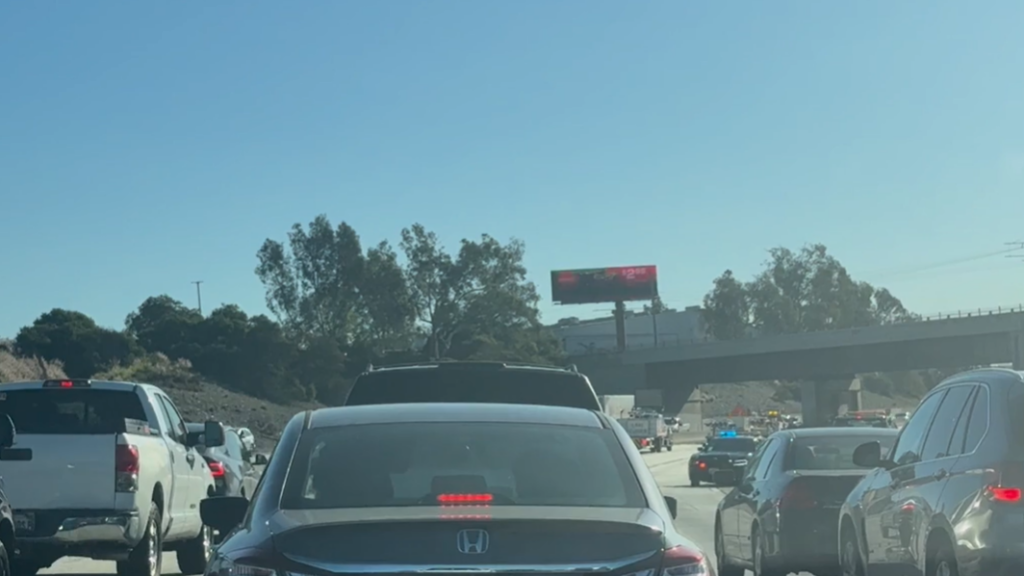
Most of us expect highways to keep moving. When traffic suddenly comes to a complete stop with no obvious accident or visible construction, it can feel frustrating—and a little confusing.
During a recent road trip, hours of unexpected delays eventually revealed something that often goes unnoticed: infrastructure maintenance doesn’t always look dramatic. Sometimes the work is happening just beyond our view, yet it plays an essential role in keeping our transportation systems safe and reliable
Watch the Field Observation
The Value of Infrastructure Maintenance
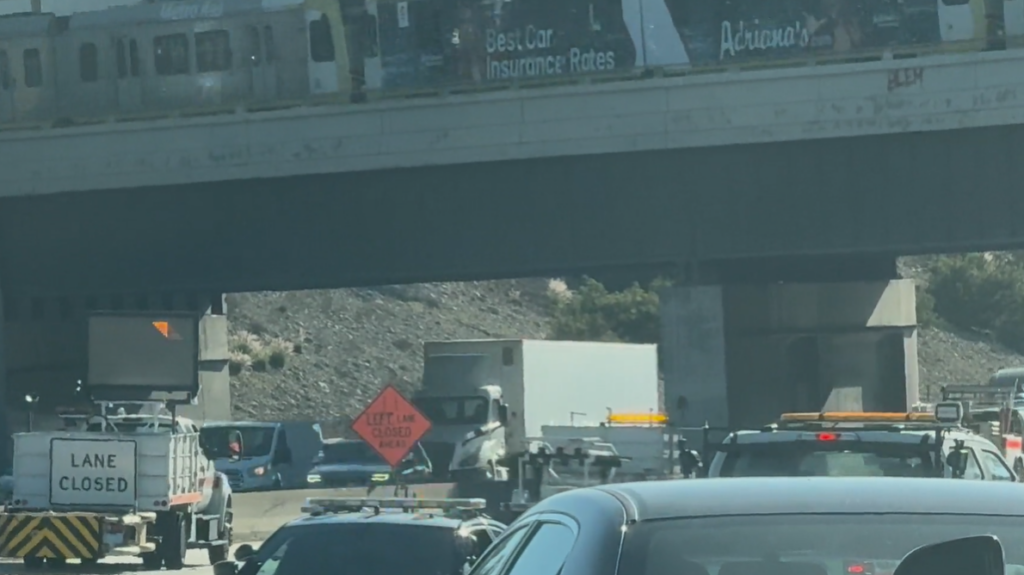
Long traffic delays naturally lead people to wonder what is happening ahead. Sometimes the reason is immediately visible, while other times the work remains hidden until traffic begins moving again.
Although delays can be inconvenient, they are often the result of planned maintenance activities that help extend the life of critical infrastructure. Pavements, bridges, drainage systems, and roadside features all require regular attention to remain safe and functional.
Investing in maintenance before problems become larger helps reduce long-term costs while improving the reliability of the transportation network.
Infrastructure Is More Than Pavement
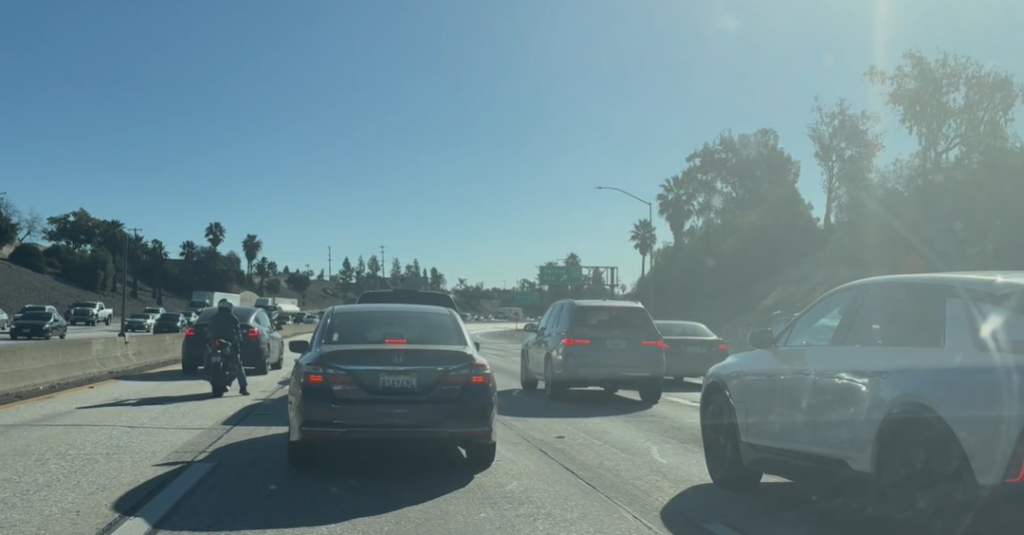
As traffic slowly moved forward, it became a reminder that highways are designed to withstand tremendous demands every day. Passenger vehicles, delivery trucks, and fully loaded tractor-trailers all place different stresses on pavement over time.
The visible roadway is only one part of the system. Beneath and alongside the pavement are drainage structures, embankments, slopes, and other engineered features that help keep the roadway stable during changing weather conditions.
Maintaining these interconnected systems is essential to preserving both safety and long-term performance.
Looking Beyond the Roadway
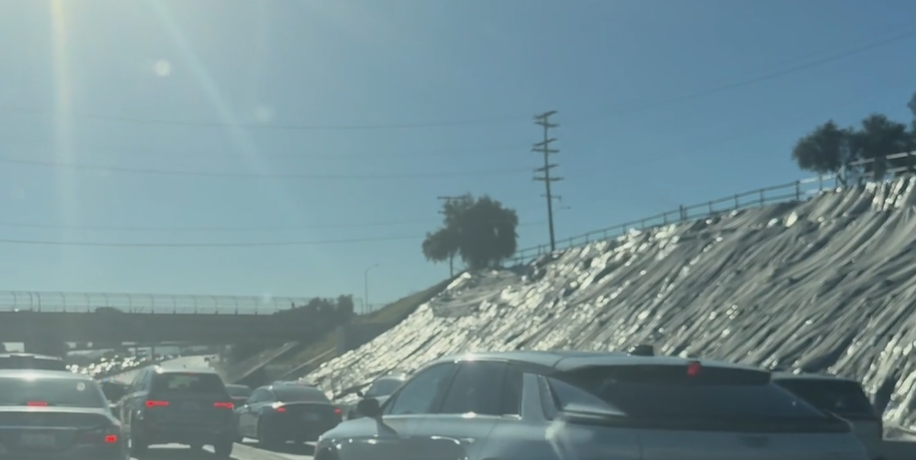
One unexpected observation during the delay was a steep slope covered with plastic sheeting. Temporary erosion control measures like these are sometimes used during construction to temporarily covering/protecting exposed soil from rainfall and erosion until permanent stabilization is established.
Steep slopes can present unique erosion challenges, particularly during rainfall. Depending on site conditions, engineers may use a combination of temporary and permanent best management practices (BMPs) to reduce erosion, slow runoff, and protect downstream water quality.
Each project requires selecting appropriate solutions based on the site’s conditions, construction schedule, and long-term stabilization goals.
Maintenance Supports Resilient Communities
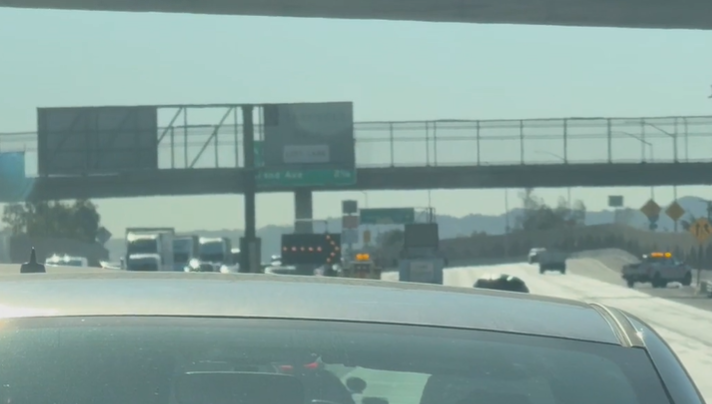
Eventually, traffic began moving again, accompanied by a simple message thanking drivers for their patience.
While delays are rarely enjoyable, they offer a reminder that maintaining infrastructure is an ongoing responsibility rather than a one time investment. Roads, bridges, drainage systems, flood control facilities, and water infrastructure all require continuous care to support the communities that depend on them.
Much of this work happens quietly and often goes unnoticed until it temporarily affects our daily routines.
Looking a Little Closer
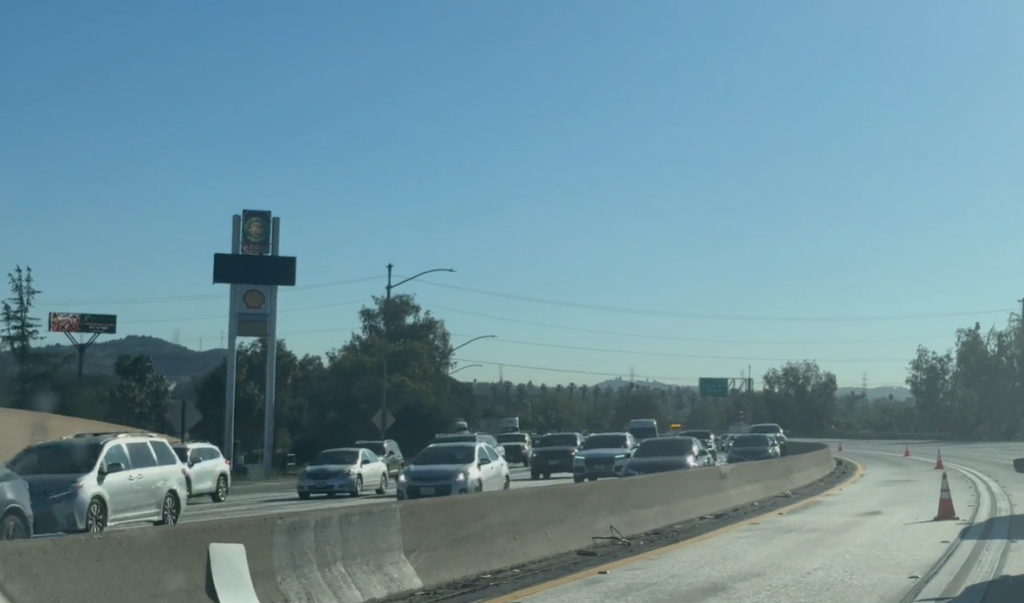
It’s easy to appreciate infrastructure when everything works as expected. It’s often during unexpected delays that we are reminded how much effort goes into keeping these systems operating safely and efficiently.
Whether maintaining a highway, stabilizing a slope, or protecting water quality during construction, infrastructure stewardship is a continuous process. Behind every smooth roadway and reliable public system are countless hours of planning, inspection, maintenance, and engineering that help keep our communities moving.