
Most of the infrastructure that protects our water resources is hidden beneath our feet. Underground pipes, storm drains, and utility networks quietly move water through our communities with little notice from the people who benefit from them every day.
Green Streets offer something different. By bringing stormwater management above ground, they transform essential infrastructure into visible, educational features that help people better understand how cities can work with nature to improve water quality.
Watch the Field Observation
Infrastructure You Can Actually See

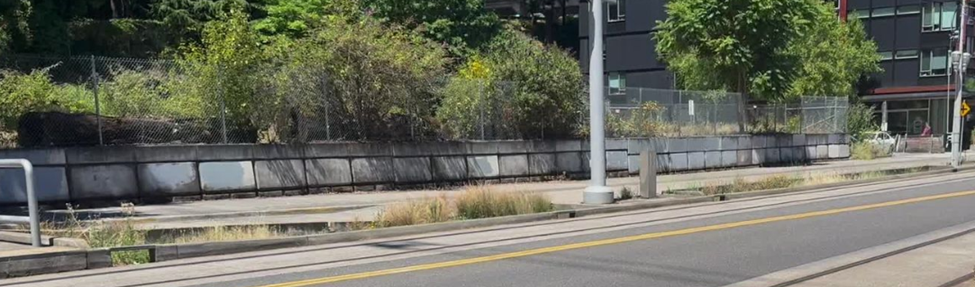
One of the most striking features of Portland’s Green Streets is that the stormwater infrastructure isn’t hidden underground. Instead, a series of landscaped planters runs alongside the street, allowing anyone walking by to observe how runoff is managed.
Making infrastructure visible encourages curiosity. Rather than seeing only pavement and curbs, pedestrians can recognize that these landscapes are actively collecting, slowing, and treating stormwater before it enters nearby waterways.
Small Design Features with Important Jobs
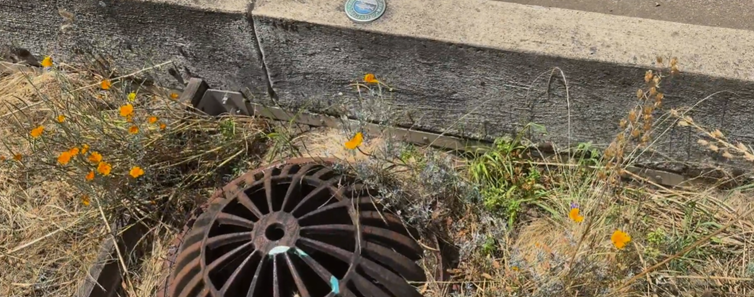
Looking more closely reveals several thoughtful engineering details.
Beehive inlets are designed to reduce the likelihood of leaves and debris blocking drainage. Reinforced curb cuts guide runoff safely into each planter, while the generous depth of the planting beds provides temporary storage during storm events.
Although these features may appear simple, they represent careful planning that balances hydraulic performance, maintenance requirements, and long-term durability.
Slowing Water Protects Water Quality
Some of the planters include small rock check dams that slow the movement of stormwater as it travels through the system.
Reducing water velocity helps minimize erosion while allowing more time for infiltration and filtration. Instead of rushing downstream, stormwater moves more gradually through the landscape, giving soils and vegetation an opportunity to remove pollutants before the water reaches nearby waterways.
These are small design elements, but they play an important role in improving the overall performance of the system.
Learn more about Watearth at our homepage.