
Large flocks of Canadian geese are a familiar sight around lakes, ponds, and stormwater facilities. Watching hundreds of birds gather along the water can be impressive, but the scene also highlights how closely wildlife and water management are connected.
Stormwater ponds, detention basins, lakes, and wetlands often become attractive habitat for waterfowl. These water bodies provide open water, nearby vegetation, and areas where birds can gather safely. As communities grow, many engineered water features begin serving ecological functions alongside their original purpose.
That relationship brings both opportunities and challenges.
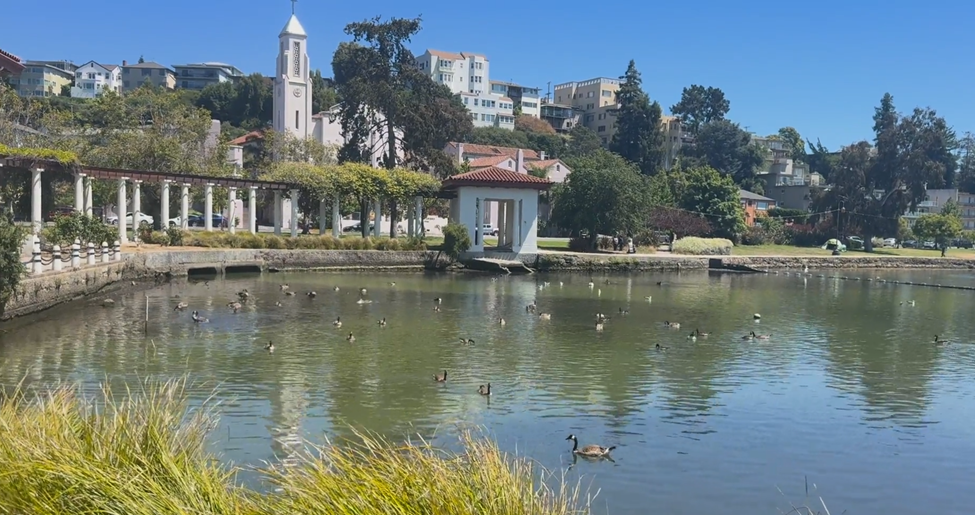
Large numbers of geese contribute nutrients to the water through their waste. When nutrient levels become elevated, water quality can decline, increasing the potential for algal blooms, reduced oxygen levels, and other ecological changes. In response, some lakes and ponds incorporate features such as aeration systems to help improve water quality and support healthier aquatic conditions.
Wildlife also influences how these systems are maintained. Water quality is only one consideration. Birds, mammals, and other animals can affect shoreline stability, vegetation, and erosion over time. Effective maintenance plans often recognize that natural processes continue long after construction is complete.
At the same time, many communities have expanded into areas that were once entirely natural landscapes. Parks, lakes, and stormwater facilities have become places where people and wildlife share space. Observing wildlife in these environments offers an opportunity to better understand how engineered infrastructure and ecological systems interact.
A large flock of geese may simply look like an interesting gathering of birds. Looking a little closer reveals something more—a reminder that managing water is not only about pipes, ponds, and infrastructure. It is also about understanding the living systems that become part of those environments.
▶️ Watch here
Learn more about Watearth at our homepage.