
On a hot day, a sprinkler spraying across a sidewalk can feel less like a maintenance issue and more like an invitation.
Walking through the water might actually be refreshing.
At the same time, the scene highlights something that shows up frequently in water systems: water being applied where water was never intended to go.
A quick observation suggested that a sprinkler head was either damaged or missing. Instead of watering the landscape, the irrigation system was directing water onto the pavement. The water felt good, but the irrigation system was clearly communicating that something needed attention.
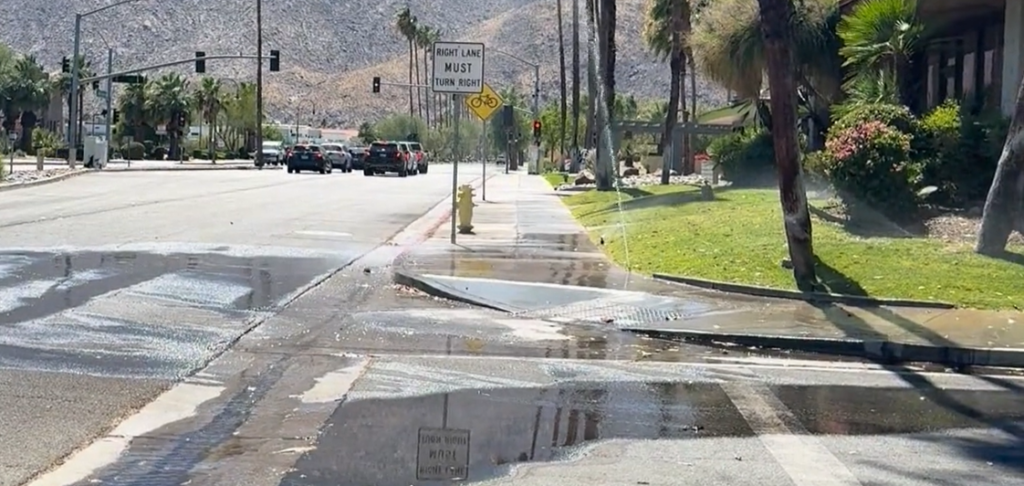
What makes this interesting is how often these types of issues represent what many people call “low-hanging fruit.”
Over Memorial Day weekend, a cherry-picking trip provided a useful reminder of what that phrase actually means. Most of the cherries within easy reach had already been picked. Finding additional fruit required climbing a ladder and reaching into the upper branches. The easiest opportunities were the ones closest to the ground.
Water management often works the same way.
When discussions focus on conservation, efficiency, or reducing water loss, attention sometimes moves quickly toward larger projects and more complex solutions. Yet some of the most immediate opportunities can be found through simple observation.
A missing irrigation head.
A broken nozzle.
A sprinkler spraying across pavement instead of landscaping.
These issues are often easy to identify, relatively straightforward to correct, and capable of preventing unnecessary water loss.
Not every observation requires a major conclusion. Sometimes the value comes from simply noticing a pattern and understanding what that pattern reveals about how a system is functioning.
In this case, the lesson was visible from a sidewalk on a warm afternoon.
The water felt good.
The irrigation leak was even more interesting.
▶️ Watch here
Learn more about Watearth at our homepage.