Wildlife Resilience in Urban Channels

Have you ever wondered how wildlife survives in urban environments?

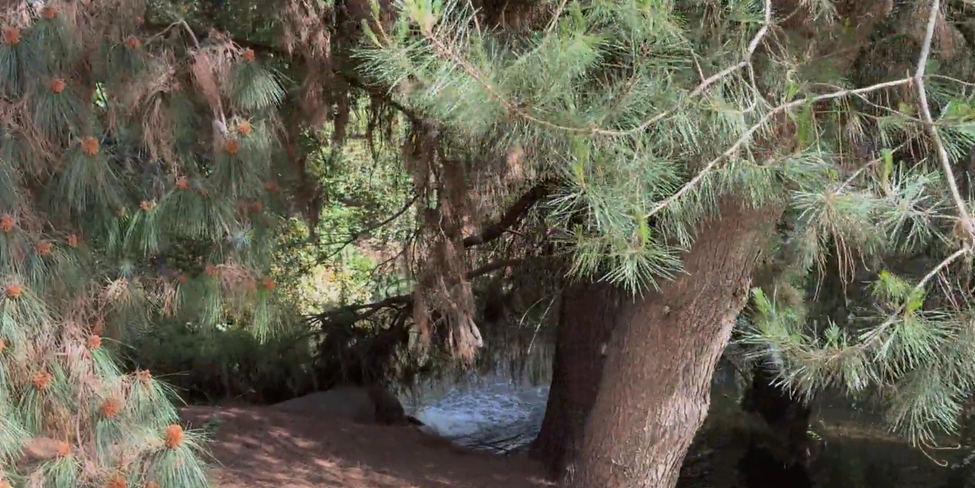
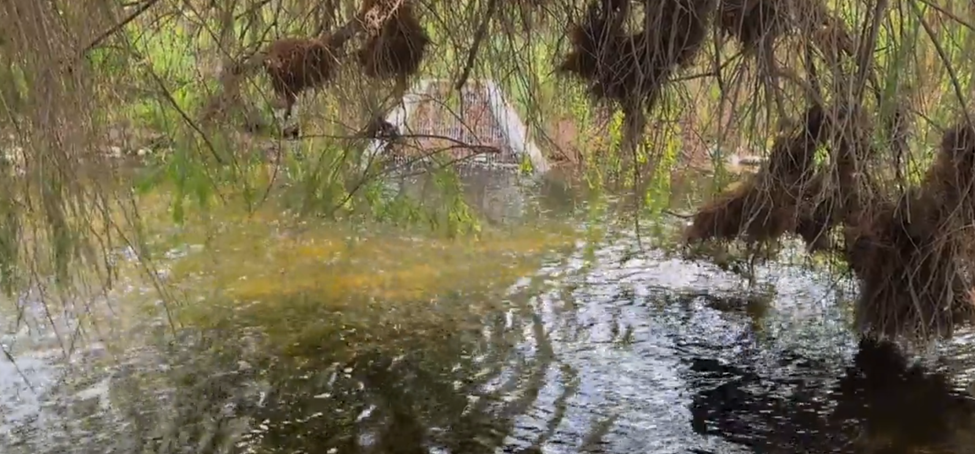
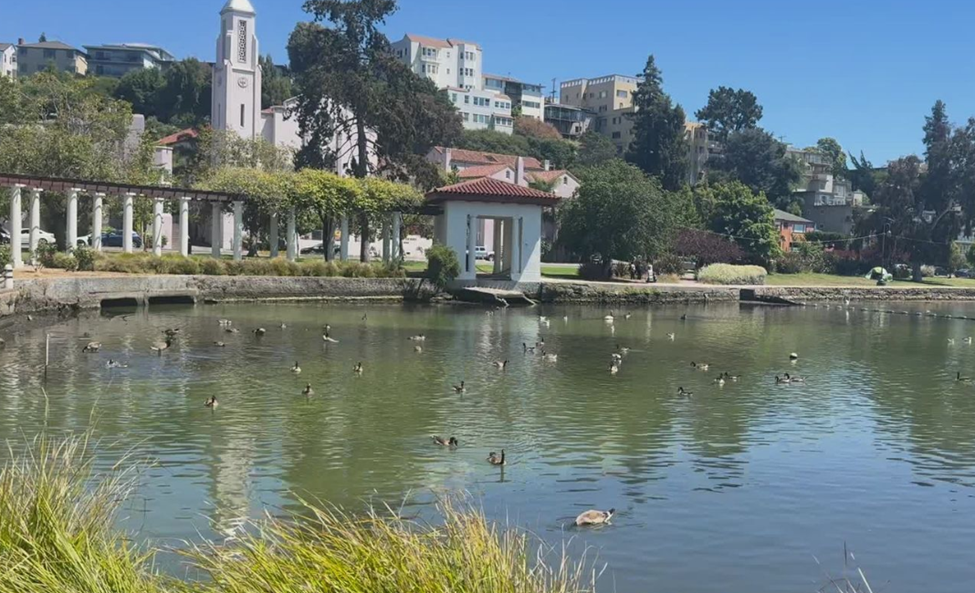
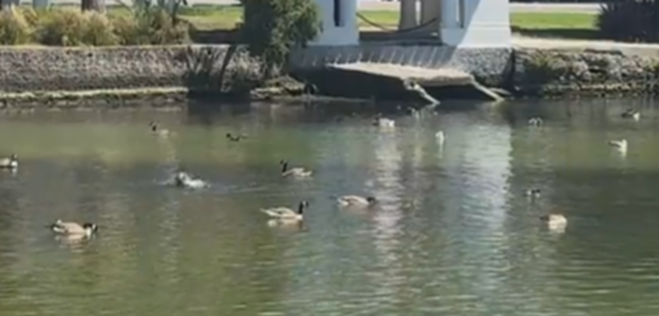
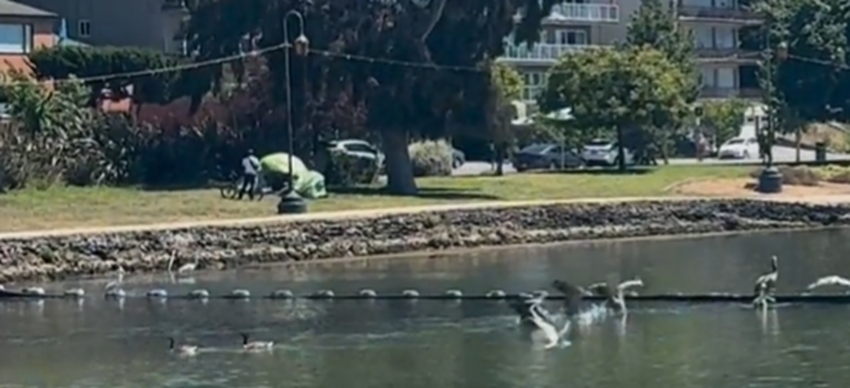
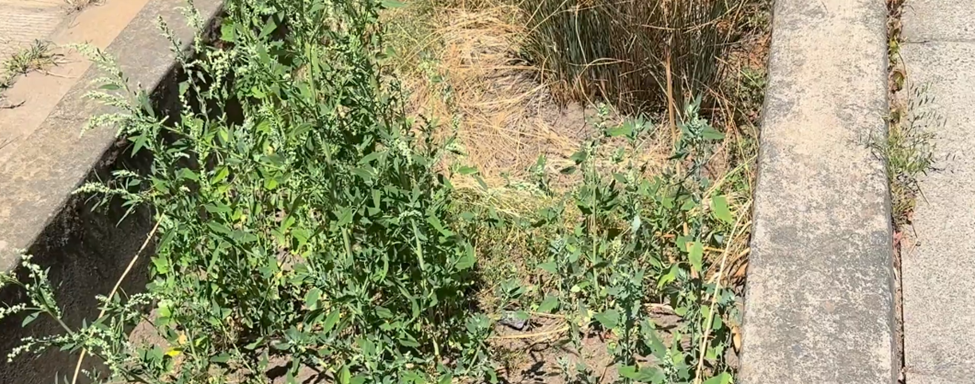
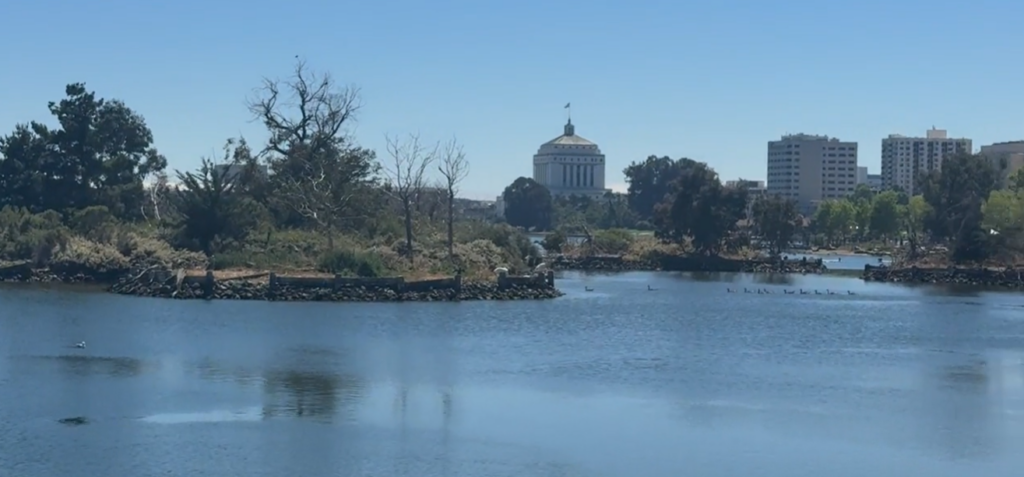
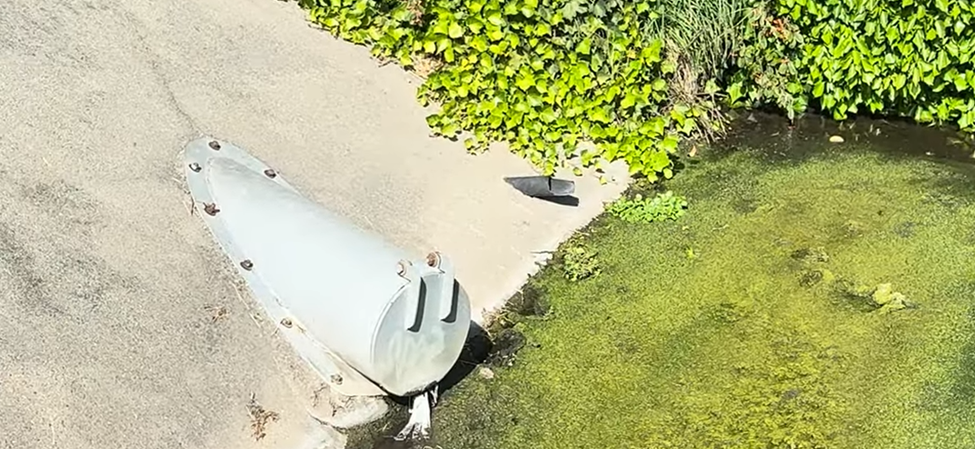
On a recent walk near a concrete flood control channel, two geese became the center of attention. Traffic noise, hard infrastructure, and the pace of the surrounding city faded into the background for a moment while the birds moved through the channel, honking at each other and pecking through vegetation growing along the water’s edge.

The setting itself was not pristine.
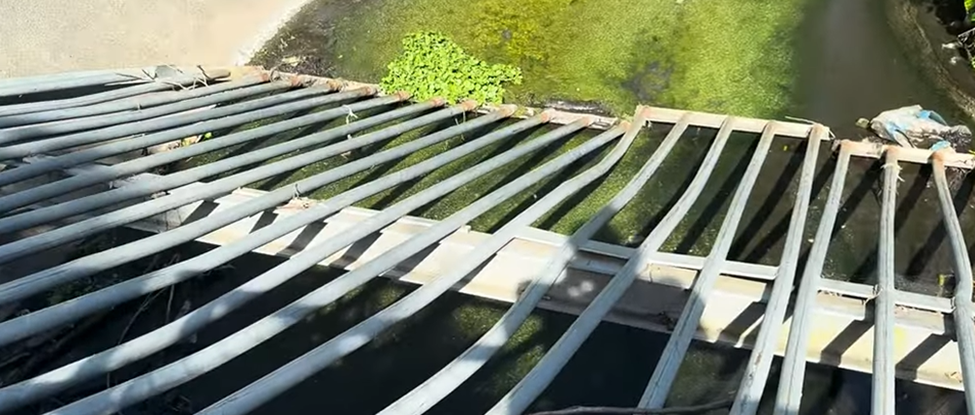
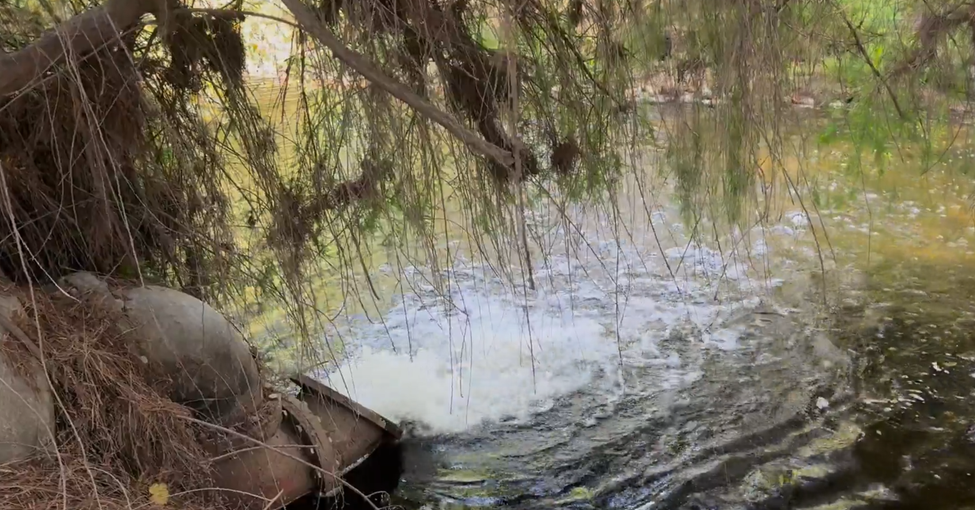
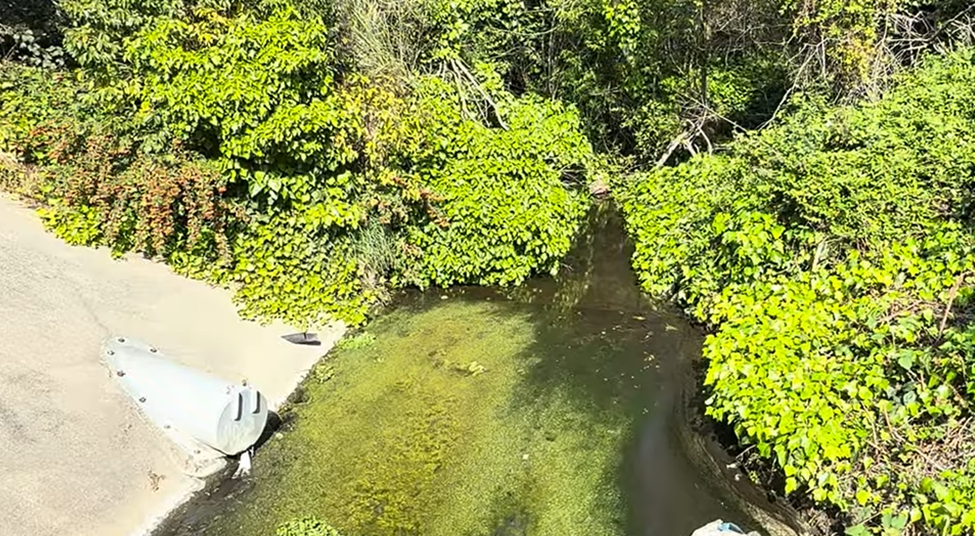
The channel water appeared murky, with visible algae growth and accumulated sediment. Urban runoff likely carries metals, nutrients, bacteria, and other pollutants through the system. Flood control channels are typically engineered for conveyance and public safety, not habitat creation. Yet wildlife still finds ways to occupy these spaces.

That contrast is difficult to ignore.

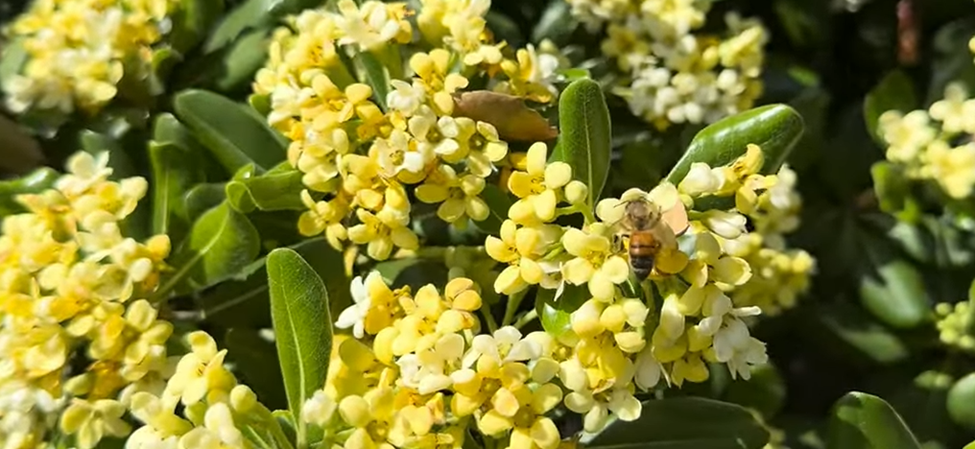
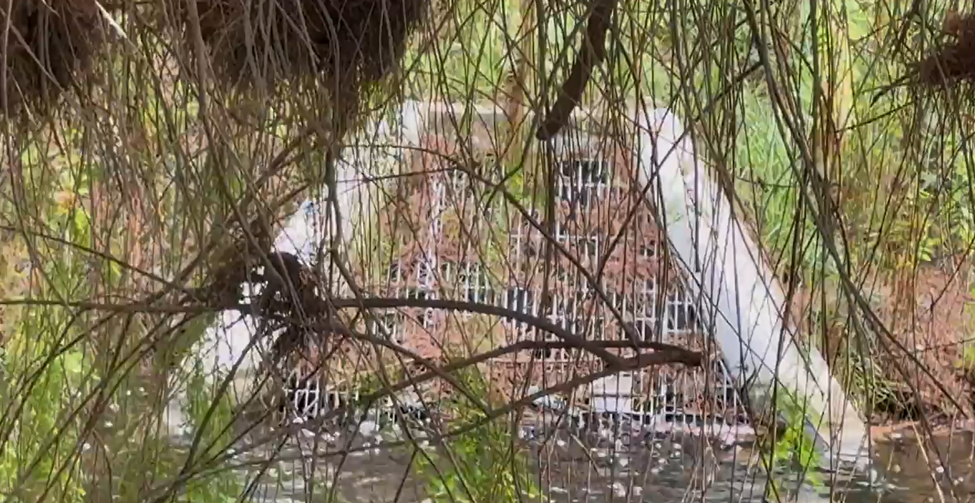
Concrete-lined channels are often viewed only as infrastructure. The purpose is flood management, emergency access, and stormwater movement. Features like maintenance ramps, ladders, and access steps exist for operational needs, not ecological comfort. Still, vegetation establishes itself along edges and low-flow areas. Insects gather where plant growth persists. Birds adapt behavior around those patterns.

The geese repeatedly pecked through the vegetation, likely searching for insects or food sources supported by the small ecosystem developing within the channel corridor.

Urban systems frequently create unintended environmental relationships.

Some of those relationships reveal stress within the environment. Others reveal resilience.

Wildlife presence does not necessarily mean conditions are healthy. Adaptation should not be confused with ideal habitat conditions. At the same time, these observations demonstrate how living systems continue responding to available opportunities, even within highly modified environments.

That may be part of why moments like this feel grounding during urban walks.

Animals moving through infrastructure corridors can briefly shift attention away from traffic, schedules, and built surroundings. Observing wildlife in unexpected places often creates a reminder that environmental systems continue operating around and within human systems at all times.

Not perfectly. Not without constraints.

But persistently.

In many urban waterways, vegetation, insects, birds, runoff, infrastructure, erosion, and maintenance operations all interact simultaneously. These environments are rarely simple. Observing those interactions without immediately forcing conclusions can still be valuable.

Sometimes the observation itself is enough.

▶️ Watch here

Learn more about Watearth at our homepage.
Noticing the Infrastructure Beneath the Street

Most utility infrastructure is underground, which means most people rarely think about the systems supporting everyday life.

Fire hydrants are one of the few visible reminders of those networks. While hydrants are closely associated with firefighting, hydrants also support routine maintenance, water quality management, and system testing within water distribution systems.

Walking through a neighborhood, small pieces of infrastructure begin to tell a larger story:

  • sanitary sewer maintenance holes
  • water valves
  • surveying monuments
  • drainage flow paths
  • utility access points

Each feature connects to systems operating beneath the street.

Even street trees are part of that conversation. Root systems compete for limited underground space alongside utilities, drainage systems, and road infrastructure.

Once infrastructure patterns become noticeable, it becomes difficult to stop seeing them. Ordinary streets begin to reveal the coordination required to support public safety, water systems, transportation, and long-term community function.

▶️ Watch here

Learn more about Watearth at our homepage.
Why Water Is a Leadership Issue

We talk a lot about innovation. We talk about growth and new ideas.

We do not talk enough about water.

And that needs to change.

Across the country, communities are facing increasing pressure on water systems. Infrastructure is aging. Climate patterns are shifting. Populations continue to grow. Yet water is still treated as something in the background instead of a leadership priority.

The reality is simple.

Water connects everything.

It influences public health, economic stability, environmental balance, and long term community resilience. When water systems fail, the impact spreads quickly and affects far more than we expect.

At Watearth, we see this every day.

Working with regional water quality boards and local environmental programs, one thing becomes clear. The most effective solutions are not reactive. They are intentional and built with the future in mind.

Leadership in this space means asking better questions.

Are we designing for today or for the next fifty years?

Are we aligning policy with real environmental conditions?

Are we involving communities as partners in the process?

It also means recognizing that technical expertise alone is not enough.

We need connection. We need to understand how water shapes everyday lives and long term outcomes.

That is why our approach brings together engineering, environmental planning, and community engagement.

Because real solutions do not exist in isolation.

They exist where disciplines, people, and purpose come together.

“The future will not be defined by what we build, but by what we choose to sustain.”

Water is not a background issue.

Learn more about Watearth on our Homepage.

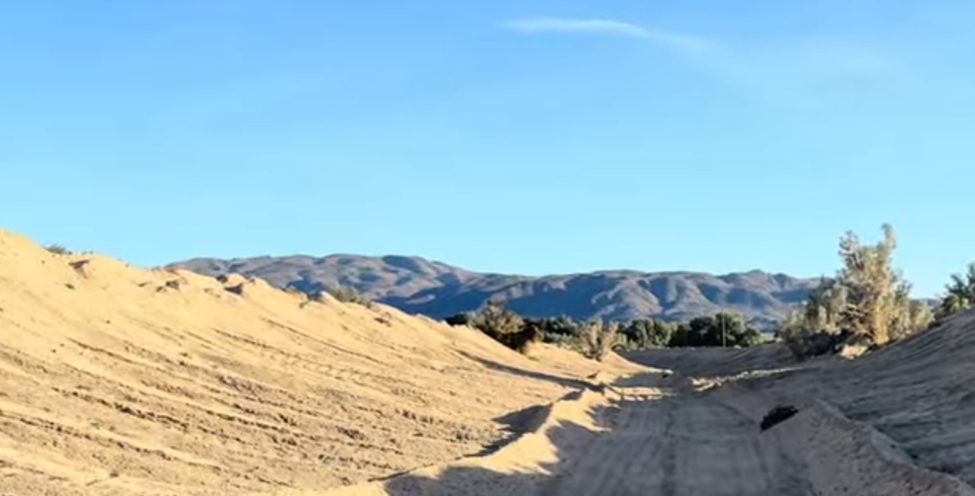
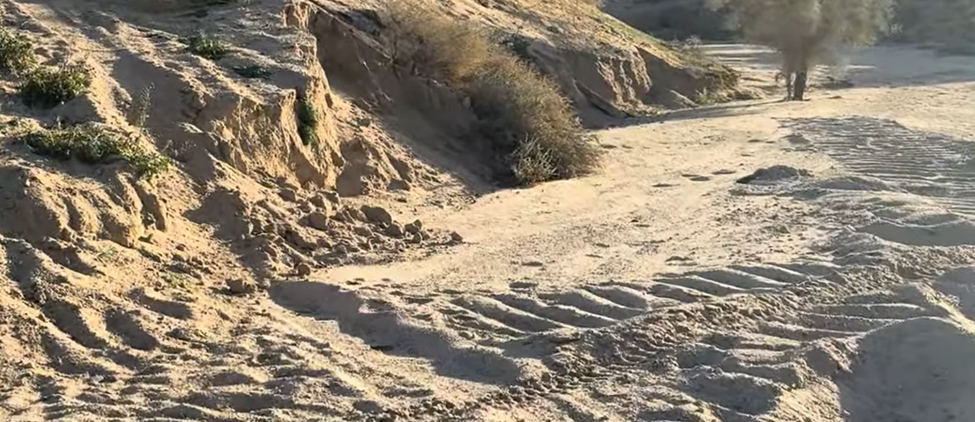
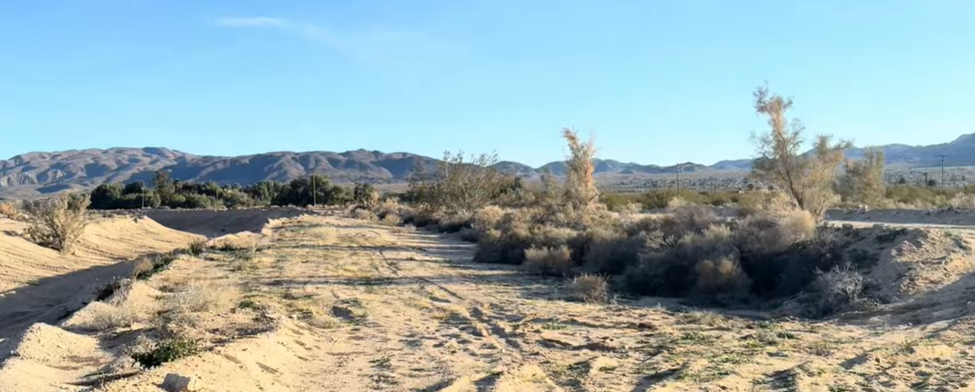
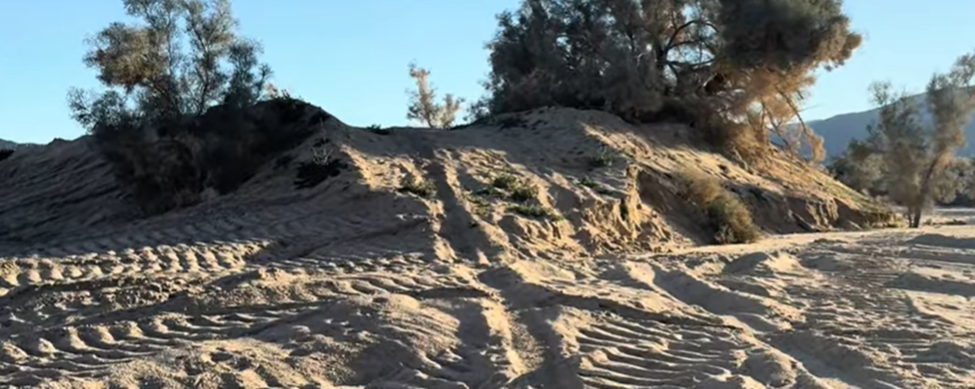
Flood Channels: Are We Solving One Problem While Creating Another?

When most people look at a flood control channel, they see a simple purpose: move water from point A to point B as efficiently as possible.

But there’s more going on beneath the surface.

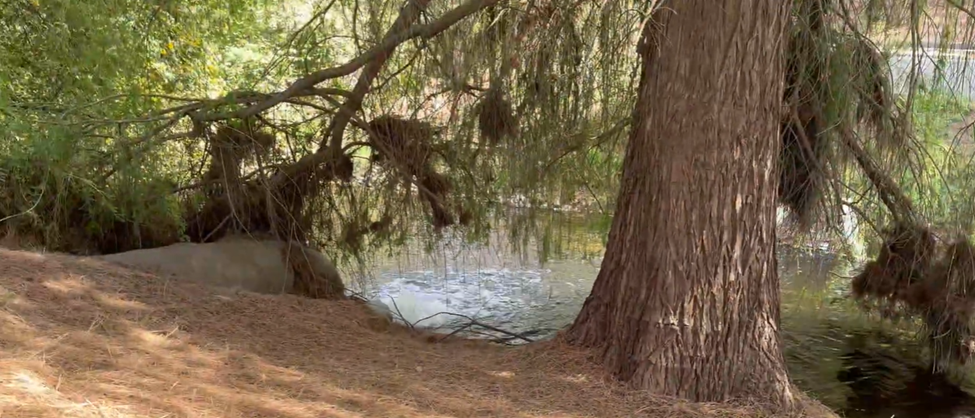
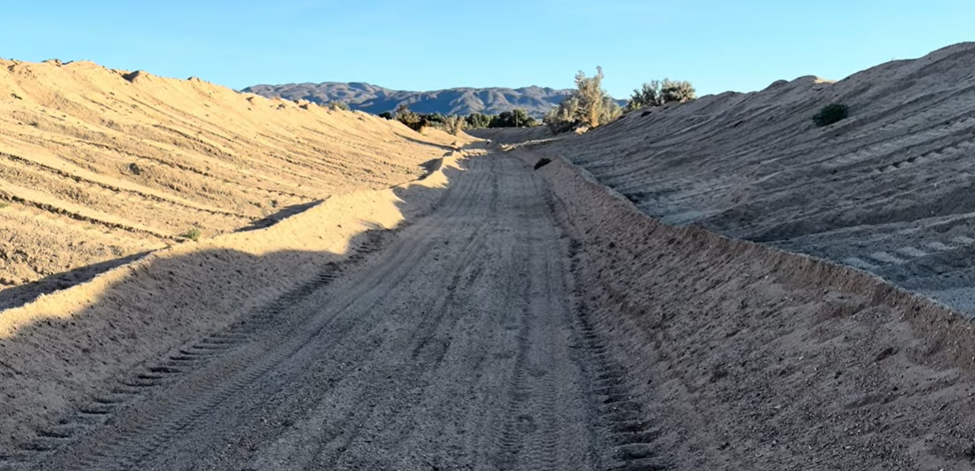
Flood channels are often designed and maintained for maximum flow capacity during major storm events. That typically means clearing vegetation, compacting soils, and simplifying the channel geometry. While effective for flood protection, this approach can introduce other challenges—like increased erosion, sediment buildup, and degraded water quality over time.

Interestingly, when natural elements are left in place, they can play a critical role.

Trees and vegetation—often seen as obstructions—can actually help stabilize slopes, reduce erosion, and improve overall system performance. It’s a reminder that the most effective solutions aren’t always purely engineered or purely natural—but a balance of both.

▶️ Watch more on this perspective here:
https://youtu.be/rsVFWF8U6qc

At Watearth, we regularly work at this intersection—where hydraulic performance, environmental considerations, and long-term cost all need to align. Through specialized expertise in hydrology & hydraulics, stormwater systems, and water quality modeling, we help clients evaluate these tradeoffs early and design solutions that are both resilient and cost-effective.

Why This Matters

For agencies, developers, and engineering teams, these decisions aren’t just technical—they directly impact:

  • Long-term maintenance costs
  • Regulatory compliance
  • System resilience
  • Environmental outcomes

The earlier these factors are considered, the better the results.

Wetland Delineation & Design: Reducing Late-Stage Surprises

Learn how proper wetland delineation and early planning keep your projects on track.

Discovering wetlands after you’ve finalized site plans can trigger redesign fees, lost lots, permit delays, and months of schedule impact. The solution? Conducting a wetland delineation during early due diligence and site feasibility analysis.

What Is Wetland Delineation?

Wetland delineation identifies and maps wetland boundaries on your property. Regulated wetlands are defined by three criteria: hydrology (water presence), hydric soils (saturated soil conditions), and hydrophytic vegetation (water-adapted plants) present under normal circumstances.

Professional delineators mark these boundaries and submit them to agencies like the U.S. Army Corps of Engineers for verification through an Approved Jurisdictional Determination (AJD) or similar agency confirmation process. An AJD formally establishes whether waters or wetlands on a site are federally regulated—providing certainty before design advances too far.

Why It Matters

Finding wetlands after finalizing designs means costly redesigns, permit delays, and potentially reduced project density. Early delineation during due diligence prevents these surprises and enables informed decisions about site feasibility before major investments.

A delineation that represents a small fraction of your overall development budget can prevent six-figure redesign costs, mitigation expenses, and entitlement delays later.

When conducted early, ideally during property acquisition or feasibility analysis, wetland delineation becomes a strategic risk-management tool rather than a reactive compliance step.

Wetland delineation also strengthens underwriting confidence, supports entitlement strategy, and improves coordination between civil engineering and environmental teams.

Timeline:  Initial delineation typically takes 4–12 weeks depending on site size, access, and seasonal conditions, followed by 8–16+ weeks for agency verification depending on Corps district workload and submission completeness.

Because delineations often require fieldwork during specific growing seasons, early scheduling is critical to avoid multi-month delays.

Turning Wetlands into Assets

Wetlands don’t have to be obstacles. Smart design can integrate them as open space amenities, stormwater management features, or nature preserves.  

Buffer requirements often range from 25 to 100 feet depending on state and local regulations and are significantly easier to accommodate when identified early in the design process. Proactive planning preserves buildable area and protects project density.

In some cases, preserving wetlands can enhance community value, improve permitting outcomes, and support sustainability goals.

Permitting Essentials

Projects impacting jurisdictional wetlands typically require authorization under Section 404 of the Clean Water Act, along with state water quality certification (Section 401) and potentially additional state or local approvals.

Nationwide Permits cover minimal impacts with streamlined review, while Individual Permits handle larger impacts and require mitigation such as creating, restoring, or enhancing wetlands off-site, or purchasing mitigation bank credits.

Designing to add and minimize impacts before relying on mitigation can substantially reduce permitting risk, review time, and overall project cost.

Understanding which permitting pathway applies and designing to avoid or minimize impacts where possible can significantly reduce review time and mitigation costs.

Best Practices

  • Conduct delineation during initial site assessment
  • Budget for environmental studies as standard due diligence
  • Engage qualified professionals with local experience
  • Communicate with regulatory agencies early
  • Build buffer time into schedules for permitting delays

Coordinate wetland findings directly with site planning and grading concepts before layout is finalized.

The Bottom Line

Wetland delineation isn’t a regulatory checkbox, it’s a planning tool that protects your investment. The modest upfront cost prevents expensive surprises and streamlines the entire development process.

In land development, early environmental intelligence is often the difference between predictable delivery and costly redesign


Learn more about Watearth on our homepage.

Avoiding Common MS4 Compliance Mistakes

Municipal Separate Storm Sewer System (MS4) permits are essential for protecting water quality, but they’re also one of the most frequently misunderstood regulatory requirements municipalities face. The good news? Most compliance issues are preventable. At Watearth, we’ve seen the same mistakes repeated across jurisdictions and we know how to avoid them.

Mistake #1: Treating the Permit as a One-Time Event

Many municipalities view MS4 permit acquisition as a finish line rather than a starting point. The reality is that MS4 compliance is an ongoing program requiring continuous monitoring, reporting, annual evaluation, and adaptive management.

How to avoid it: Establish annual compliance calendars with clear deadlines for monitoring, reporting, and annual reporting and program assessments. Assign dedicated staff or consultants to oversee the program year-round, not just when deadlines approach.

Mistake #2: Inadequate Stormwater Pollution Prevention Plans (SWPPPs)

Generic, templated SWPPPs that don’t reflect site-specific conditions are a red flag during inspections. These documents must be living blueprints that address your actual drainage patterns, potential pollutant sources, and site operations for regulated construction and industrial activities.

How to avoid it: Conduct thorough site assessments before drafting SWPPPs. Include detailed site maps, clearly identified pollutant sources, and specific best management practices (BMPs) tailored to your operations. Update these documents whenever site conditions change or when inspections identify deficiencies.

Mistake #3: Poor Documentation and Record-Keeping

When regulators conduct inspections, they need to see proof of compliance. Missing inspection logs, incomplete monitoring data, or poorly organized records can trigger enforcement actions even when the actual stormwater management is adequate.

How to avoid it: Implement a centralized digital record-keeping system. Document all inspections, monitoring activities, maintenance work, and training sessions with dates, photos, and specific findings. Maintain these records for the duration required by your permit (often three to five years or longer).

Mistake #4: Neglecting Public Education and Outreach

MS4 permits require measurable goals for public education, yet many municipalities treat this as an afterthought. Simply posting information on a website rarely meets the intent of building community awareness about stormwater impacts.

How to avoid it: Develop targeted outreach programs for specific audiences that include residents, businesses, schools, and developers. Track participation and evaluate effectiveness through surveys or engagement metrics as required by permit-defined measurable goals. Document all activities thoroughly.

Mistake #5: Ineffective Illicit Discharge Detection and Elimination (IDDE)

Identifying and eliminating illicit connections and discharges requires systematic investigation, not reactive responses to obvious problems. Many MS4 operators lack comprehensive outfall inventories or regular dry-weather screening programs.

How to avoid it: Create a complete inventory of your outfalls with GPS coordinates and drainage area maps. Establish routine dry-weather screening schedules. Train staff to recognize signs of illicit discharges and follow documented investigation procedures and response procedures.

Mistake #6: Ignoring Construction Site Runoff Control

Construction sites are significant sources of sediment pollution, yet many MS4s have weak inspection programs or unclear enforcement authority for non-compliant sites.

How to avoid it: Develop clear ordinances that establish inspection frequencies and enforcement mechanisms consistent with state and local authority. Train inspectors on erosion control BMPs and documentation requirements. Maintain communication with project owners and contractors before problems escalate.

Mistake #7: Underestimating BMP Maintenance Needs

Installing structural BMPs like detention basins, bioswales, or permeable pavement satisfies design requirements, but these systems fail without proper maintenance. Clogged facilities can make problems worse by causing flooding or bypassing treatment.

How to avoid it: Create maintenance schedules for every BMP with specific inspection criteria and maintenance triggers. Budget adequately for long-term upkeep. Consider maintenance requirements during the design phase—simpler systems often perform better over time and are easier to document for compliance purposes.

Mistake #8: Failing to Track Regulatory Changes

MS4 permit requirements evolve. New pollutants of concern, updated monitoring protocols, and revised performance standards or reporting expectations can appear in renewed permits, catching unprepared municipalities off guard.

How to avoid it: Subscribe to regulatory updates from your state environmental agency and EPA Region. Join professional associations and attend training sessions. Begin preparing for permit renewal at least two years in advance.

The Bottom Line

MS4 compliance doesn’t have to be overwhelming. The key is treating it as a systematic program with clear procedures, adequate resources, and committed leadership. Most violations result from organizational gaps, not technical impossibilities.

At Watearth, we help municipalities build sustainable MS4 programs that protect water quality while managing compliance efficiently. Whether you need assistance with permit applications, SWPPP development, BMP design, or compliance audits, we’re here to help you avoid these common pitfalls.


Learn more about Watearth at our homepage.
Engineering Best Practices for Sanitary Sewers Beneath Water Bodies

Introduction

Installing sanitary sewer infrastructure beneath water bodies—like rivers, lakes, or coastal inlets—is one of the most technically demanding tasks in civil engineering. These crossings are critical to urban wastewater management but pose significant risks if not designed with precision. From potential sanitary sewer overflows (SSOs) to long-term corrosion and settlement issues, engineers must implement best practices to ensure system integrity, longevity, and public safety.


1. Material Selection: First Line of Defense

Choosing the right material is crucial. Since water crossings often occur in highly corrosive environments, traditional piping systems may not be adequate. Some common solutions include:

  • Ductile Iron Pipe (DIP): With internal linings and external coatings, DIP offers excellent strength and corrosion resistance.
  • High-Density Polyethylene (HDPE): Flexible, durable, and suitable for trenchless installations.
  • Concrete Encasement: Used to protect pipes from both physical damage and buoyancy issues in submerged areas.

2. Alignment & Depth Considerations

Hydraulic pressure, sedimentation, and water flow require the pipe to be laid deep enough to avoid scouring but not so deep that it becomes inaccessible. Depth also helps in maintaining the right gradient for gravity-fed sewer systems.

Best practices include:

  • Avoiding sharp bends to reduce pressure zones.
  • Running the pipe below the lowest expected scour depth.
  • Using trenchless methods like HDD (Horizontal Directional Drilling) for minimal environmental disturbance.

3. Redundancy and SSO Prevention

To minimize the risk of SSOs, engineers typically design:

  • Dual pipes or backup systems in case one fails.
  • Valves and isolation mechanisms to shut off sections during maintenance.
  • Monitoring sensors to detect flow irregularities or backups.

4. Inspection, Access, and Maintenance Protocols

Regular inspection is non-negotiable. Key steps include:

  • CCTV inspections post-installation and periodically thereafter.
  • Access vaults or manholes at each riverbank or key intervals.
  • Air testing and pressure testing prior to commissioning.

New technologies like robotic pipeline inspection and acoustic monitoring make it easier to identify early signs of wear or obstruction.


5. Environmental and Regulatory Compliance

Engineers must work closely with environmental agencies (like the EPA or local water authorities) to ensure that installation methods meet all permitting requirements. These often include:

  • Wetland protection guidelines.
  • In-stream work timing restrictions (to avoid fish migration or spawning seasons).
  • Erosion and sediment control plans.

Sanitary sewer crossings under water bodies demand a high level of technical planning and execution. By focusing on material durability, system redundancy, precise alignment, and proactive inspection strategies, engineers can build systems that perform reliably for decades—while protecting public health and the environment.

Watch full video here: https://youtube.com/shorts/KpFdwSiYt3Q

Ready to future-proof your infrastructure project?
📞 Call us at 877.302.2084
🌐 Visit us at watearth.com
✉️ Email us at info@watearth.com

📍 LinkedIn: linkedin.com/company/watearth 📍 Twitter: twitter.com/watearth 📍 Facebook: facebook.com/watearth 📍 TikTok: https://www.tiktok.com/@watearthinc1 📍Youtube: https://www.youtube.com/@watearth3833

Can Infiltration Basins Support Vegetation? A Functional and Aesthetic Approach to Plantings in Stormwater Design

Yes, infiltration basins can include plantings! Discover how vegetation enhances both the function and aesthetics of stormwater infiltration systems.

What Is an Infiltration Basin?

An infiltration basin is a shallow, vegetated or unvegetated depression designed to capture, hold, and infiltrate stormwater runoff into the ground. Common in Low Impact Development (LID) and green infrastructure, these basins reduce runoff volume and help recharge groundwater aquifers.

Do Infiltration Basins Have to Be Just Rocks?

Not at all. While many infiltration basins are filled with stone or gravel to promote percolation, they can absolutely support vegetation—just like detention basins. When designed properly, planted infiltration basins enhance the stormwater function and improve site aesthetics.


Benefits of Vegetated Infiltration Basins

  • Enhanced Pollutant Removal – Plant roots trap sediments and uptake nutrients.
  • Improved Aesthetics – Adds green space and softens the hard engineering look.
  • Temperature Moderation – Plants reduce heat gain from exposed surfaces.
  • Biodiversity Boost – Native plantings support pollinators and small wildlife.
  • Public Acceptance – Attractive designs lead to higher community support.

Watch this video to learn more: https://youtube.com/shorts/eKb9xM8f0iU

What Types of Plants Work Best?

Infiltration basins are subject to intermittent flooding and dry spells, so the vegetation must tolerate both:

  • Hydrophytic species that thrive during wet conditions.
  • Drought-tolerant species for dry periods.

🌿 Ideal Plant Traits:

  • Deep-root systems for soil stabilization
  • High tolerance to variable moisture levels
  • Non-invasive and native to the local region

Examples:

  • Juncus effusus (Soft Rush)
  • Carex vulpinoidea (Fox Sedge)
  • Echinacea purpurea (Purple Coneflower)
  • Andropogon virginicus (Broomsedge)

Maintenance Tips for Healthy Vegetation

Maintaining the health of your infiltration basin plants ensures long-term effectiveness:

  • 🧹 Clear sediment buildup that may clog soil pores
  • 🌱 Remove invasive species early
  • 🧑‍🌾 Replant as needed to maintain vegetation cover
  • 📅 Inspect seasonally for erosion or plant die-off

Infiltration Basins as Multi-Functional Green Assets

Beyond their core purpose in stormwater control, infiltration basins can function as green infrastructure landmarks. When integrated into parks, campuses, or residential landscapes, they offer educational and ecological value.

Ready to Green Your Stormwater Strategy?

If you’re designing or retrofitting a stormwater system, consider the impact of adding plantings to your infiltration basin. With the right vegetation and maintenance plan, you’ll create a solution that’s both technically sound and visually inviting.

Get Started with Watearth

If you need expert stormwater strategy in California, Arizona, Texas, or anywhere in the U.S., contact us today. Our team is ready to help you optimize your system for efficiency, resilience, and compliance.

📞 Call us at 877.302.2084
🌐 Visit us at watearth.com
✉️ Email us at info@watearth.com

📍 LinkedIn: linkedin.com/company/watearth 📍 Twitter: twitter.com/watearth 📍 Facebook: facebook.com/watearth 📍 TikTok: https://www.tiktok.com/@watearthinc1 📍Youtube: https://www.youtube.com/@watearth3833

Optimizing Water Distribution Systems: Hydraulic & Water Quality Modeling

Efficient water distribution is critical for ensuring reliable water supply and regulatory compliance. Advanced hydraulic and water quality modeling helps utilities and municipalities manage system performance, identify deficiencies, and comply with EPA regulations. Watearth specializes in water distribution modeling across California, Arizona, Texas, and nationwide, providing tailored solutions for varying infrastructure needs.

Hydraulic Modeling: Ensuring System Efficiency

Water distribution networks must be designed and maintained to handle various demand scenarios. Our hydraulic modeling services analyze key performance metrics such as:

  • Pressure Management – Assessing pressure fluctuations during average day, peak hour, and fire flow conditions in major metro areas such as Los Angeles, Phoenix, and Houston.
  • Flow Velocities & Rate Adjustments – Ensuring optimal movement of water throughout the system to minimize inefficiencies.
  • System Calibration – Fine-tuning hydraulic models to match real-world conditions, using historical and real-time data for accuracy.

Water Quality Modeling: Compliance & Public Health Protection

Water quality is a top priority for utilities, particularly in growing urban regions. Our modeling capabilities include:

  • Disinfection Byproducts (DBPs) Analysis – Monitoring and predicting DBP formation to ensure compliance with EPA standards.
  • Water Age Tracking – Evaluating how long water remains in the system, which impacts residual chlorine levels and overall water quality.
  • Source Water Management – Optimizing blending strategies for surface and groundwater sources to balance quality and cost.

Here is a hypothetical water age analysis map for a metro area similar to Dallas. The color gradient represents different water ages in days, with warmer colors indicating older water.

Regional & Nationwide Expertise

Watearth provides comprehensive modeling services across California, Arizona, and Texas, with extensive experience in major cities like San Francisco, Tucson, and Austin. Our nationwide reach allows us to adapt to diverse regulatory frameworks, environmental conditions, and urban infrastructure challenges.

Project Highlight: (Insert project graphic) – Showcase a case study of a successful hydraulic modeling project in CA, AZ, or TX.

Why Choose Watearth?

  • Decades of Expertise in hydraulic and water quality modeling.
  • Regulatory Compliance support for EPA, state, and local standards.
  • Advanced Modeling Tools using GIS, EPANET, and other industry-leading software.
  • Custom Solutions for municipalities, water districts, and private clients.

Get Started with Watearth

If you need expert water distribution system modeling in California, Arizona, Texas, or anywhere in the U.S., contact us today. Our team is ready to help you optimize your system for efficiency, resilience, and compliance.

📞 Call us at 877.302.2084
🌐 Visit us at watearth.com
✉️ Email us at info@watearth.com

📍 LinkedIn: linkedin.com/company/watearth 📍 Twitter: twitter.com/watearth 📍 Facebook: facebook.com/watearth 📍 TikTok: https://www.tiktok.com/@watearthinc1 📍Youtube: https://www.youtube.com/@watearth3833

Keeping Engineering Projects on Track with Earned Value Management (EVM)

Do you ever find yourself doing back-of-the-envelope calculations just to figure out if your project is still on track? Whether you’re designing a site layout, managing construction timelines, or modeling water resources—keeping an eye on both budget and schedule can get messy fast.

That’s where Earned Value Management (EVM) comes in handy.


🎥 Watch: What Is Earned Value Management?

Before we dive into the details, check out this short video that breaks down EVM for engineers in simple terms:


What is Earned Value Management?

EVM is a simple yet powerful method for project tracking. It compares:

  • Planned Value (PV): What you expected to complete by now, based on your original schedule and budget.
  • Earned Value (EV): The actual value of the work completed so far.
  • Actual Cost (AC): What you’ve spent doing the work.

With just these numbers, you can answer essential questions:

✅ Are we overspending?
✅ Are we behind schedule?
✅ Are we getting a good return on time and budget?


📊 The Core EVM Metrics

Here are the essential formulas every engineer should know:

  • Cost Variance (CV) = EV – ACAre we over or under budget?
  • Schedule Variance (SV) = EV – PVAre we ahead or behind schedule?
  • Cost Performance Index (CPI) = EV / ACHow efficiently are we spending?
  • Schedule Performance Index (SPI) = EV / PVHow efficiently are we working?

🧮 Real-World Example

You’re tasked with completing a drainage plan in 10 days, with a budget of $5,000. By Day 10:

  • You’ve only finished 40% of the work
  • And already spent $5,500

Here’s what the EVM says:

  • EV = $4,000 (40% of total budget)
  • PV = $5,000
  • AC = $5,500

Result? You’re both over budget and behind schedule. But at least now, you know it—and can act accordingly.


💡 Why EVM Matters for Engineers

  • Early Detection: Spot delays or overruns before they spiral.
  • Smarter Decision-Making: Real-time data means real-time course correction.
  • Professional Credibility: Build client trust with clear, quantifiable metrics.

🚀 Getting Started with EVM

You don’t need expensive software. Start with a simple spreadsheet or try platforms like:

  • Microsoft Project
  • Monday.com
  • Smartsheet

Many of these offer built-in EVM features, especially helpful for managing multi-phase projects like stormwater infrastructure, urban planning, or water conservation initiatives.


Final Thoughts: Take Control of Your Projects

Earned Value Management simplifies project tracking. No more guesswork. No more budget surprises. Just smarter, more efficient engineering management.


👷‍♀️ Ready to Elevate Your Engineering Projects?

1. Partner with Purpose

See why utilities and water districts trust Watearth’s award-winning, sustainable solutions.

2. Engineered for Impact

Discover how Watearth blends innovation, diversity, and reliability to deliver measurable results in stormwater, green infrastructure, and water modeling.

3. Smarter Solutions. Stronger Communities.

Learn how Watearth’s trusted engineering supports public agencies, private development, and infrastructure systems across California, Texas, and beyond.

📍 Website: watearth.com 📍 LinkedIn: linkedin.com/company/watearth
📍 Twitter: twitter.com/watearth 📍 Facebook: facebook.com/watearth
📍 TikTok: https://www.tiktok.com/@watearthinc1
📍Youtube: https://www.youtube.com/@watearth3833
📍X: