
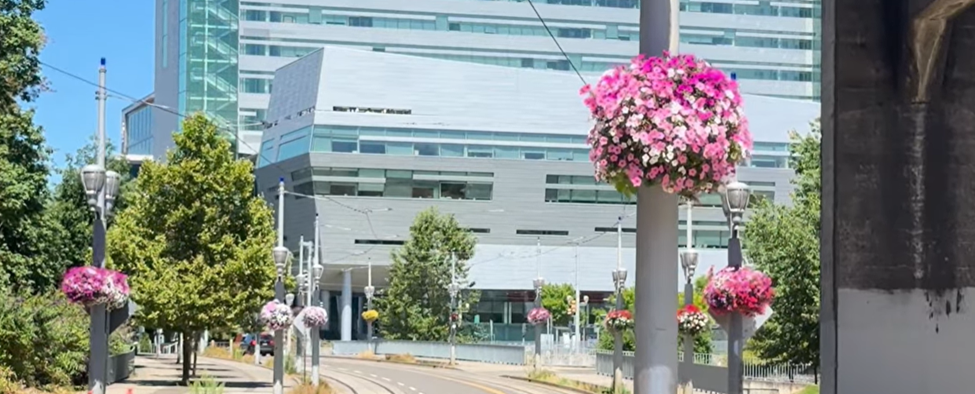
Green infrastructure does much more than manage stormwater. Trees, native plants, and landscaped streets contribute to healthier ecosystems while creating more comfortable, inviting places for people to live, work, and walk.
As cities continue to grow, these natural elements become essential pieces of urban infrastructure that support both environmental resilience and community well-being.
Join Jennifer as she explores a series of green street stormwater planters in Portland and explains how visible infrastructure helps manage runoff while encouraging a greater appreciation for water.
Native Plants Bring Cities to Life
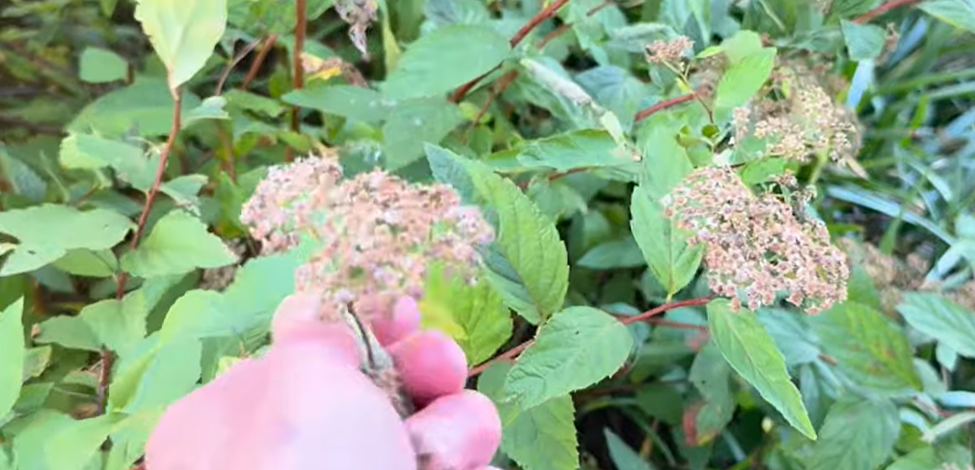
Native vegetation creates habitat for pollinators and other wildlife while adding seasonal beauty to urban landscapes.
Even a brief walk along a Green Street can reveal butterflies, flowering plants, and a surprising diversity of life. These landscapes demonstrate that infrastructure can support biodiversity while serving important engineering functions.
Trees Are Essential Urban Infrastructure
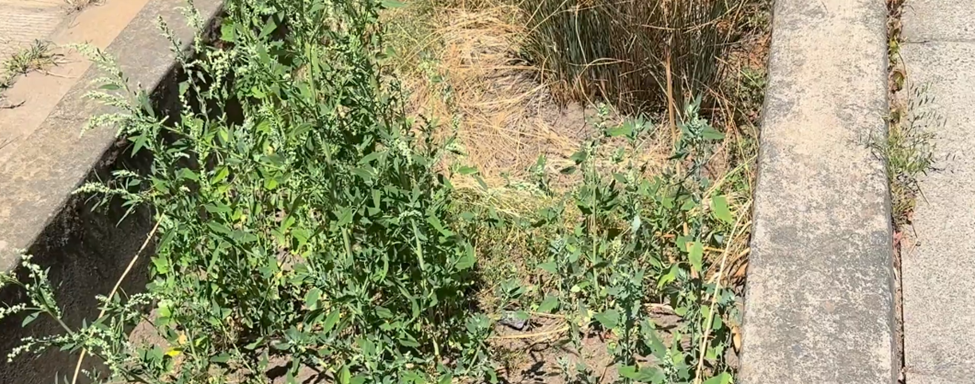
Street trees provide benefits that extend far beyond aesthetics. Their canopies intercept rainfall, improve air quality, provide habitat, reduce urban heat, and create welcome shade for pedestrians.
They also contribute to a calmer and more enjoyable walking experience, reminding us that natural systems are an essential part of healthy communities.
Designing Spaces for People
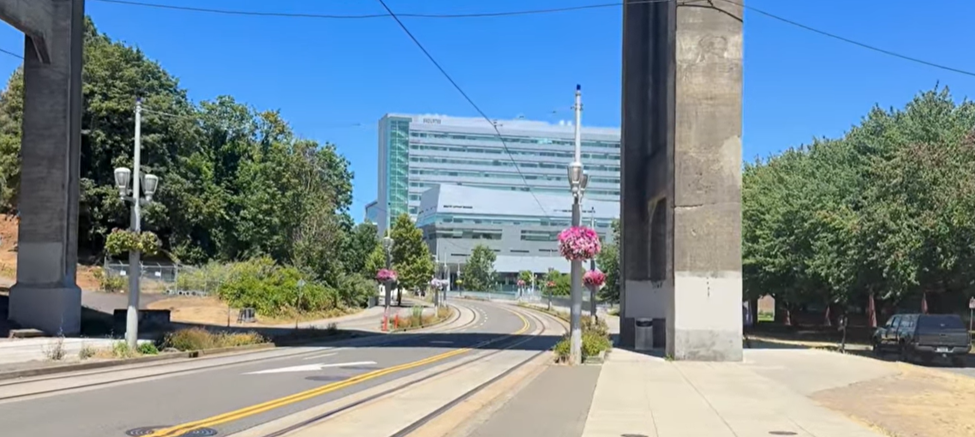
Green infrastructure improves the experience of moving through a city. Vegetation softens the built environment, reduces visual stress, and creates opportunities for people to connect with nature during their daily routines.
Research continues to show that access to green spaces supports mental well-being while making neighborhoods more attractive and livable.
Learn more about Watearth at our homepage.