
Most utility infrastructure is underground, which means most people rarely think about the systems supporting everyday life.
Fire hydrants are one of the few visible reminders of those networks. While hydrants are closely associated with firefighting, hydrants also support routine maintenance, water quality management, and system testing within water distribution systems.
Walking through a neighborhood, small pieces of infrastructure begin to tell a larger story:
- sanitary sewer maintenance holes
- water valves
- surveying monuments
- drainage flow paths
- utility access points
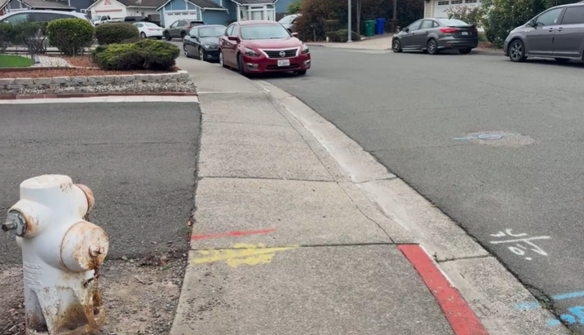
Each feature connects to systems operating beneath the street.
Even street trees are part of that conversation. Root systems compete for limited underground space alongside utilities, drainage systems, and road infrastructure.
Once infrastructure patterns become noticeable, it becomes difficult to stop seeing them. Ordinary streets begin to reveal the coordination required to support public safety, water systems, transportation, and long-term community function.
▶️ Watch here
Learn more about Watearth at our homepage.